%20scale(0.100000,-0.100000)'%20fill='%23000000'%20stroke='none'%3e%3cpath%20d='M49%20234%20c-42%20-44%20-43%20-46%20-25%20-60%2011%20-8%2023%20-14%2028%20-14%2015%200%208%20-18%20-18%20-49%20-37%20-45%20-17%20-37%2039%2014%2047%2044%2048%2044%2025%2056%20-13%206%20-24%2013%20-26%2014%20-1%201%205%2019%2013%2040%209%2020%2015%2039%2012%2041%20-2%202%20-23%20-17%20-48%20-42z'/%3e%3cpath%20d='M30%2035%20c0%20-17%206%20-25%2018%20-25%2011%200%2017%208%2017%2025%200%2017%20-6%2025%20-17%2025%20-12%200%20-18%20-8%20-18%20-25z'/%3e%3c/g%3e%3c/svg%3e)
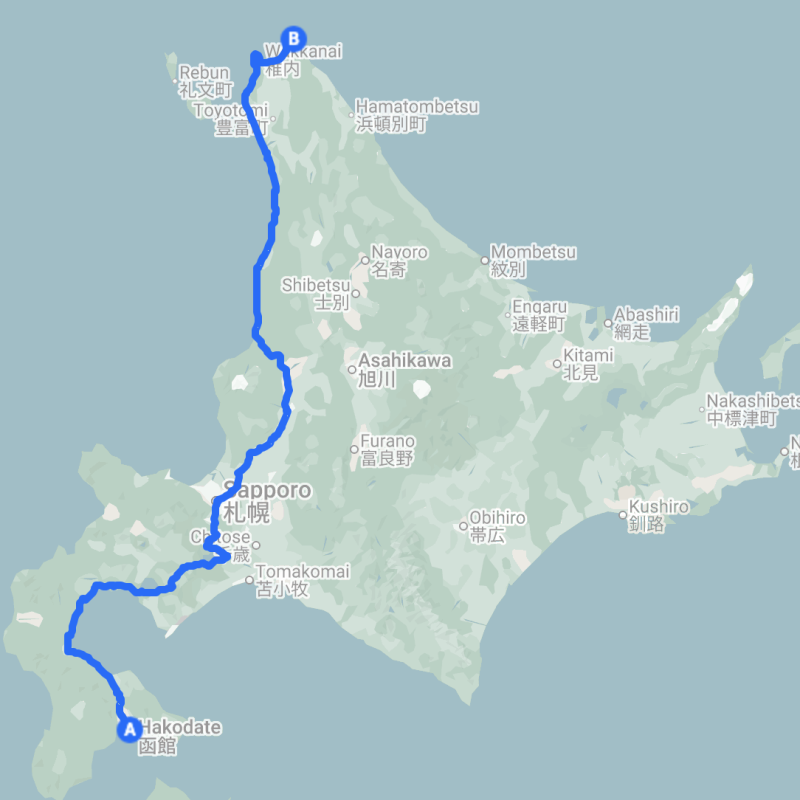
Part IV of A Cycle Across Japan resumes in Hakodate, Hokkaido’s southernmost city, after an early morning ferry from the tiny town of Oma on Honshu’s northern tip.
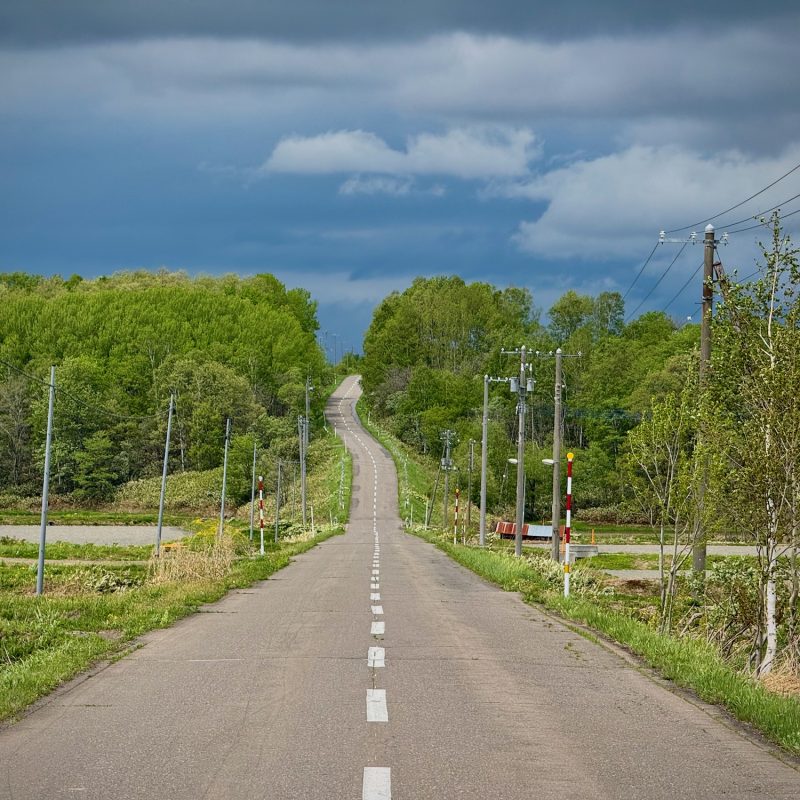
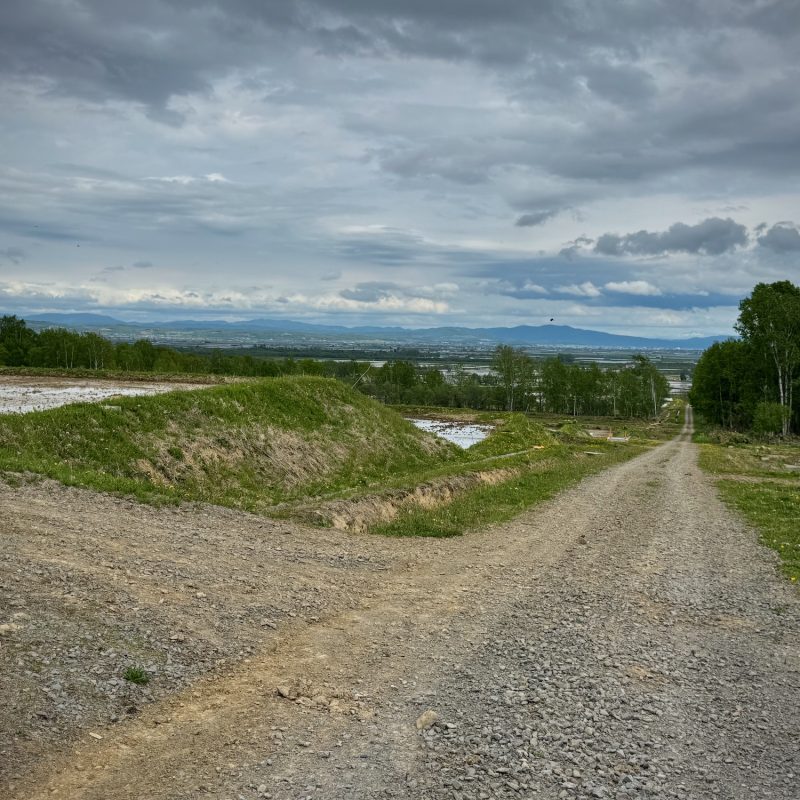
Stepping foot on Hokkaido again after two years was just a sublime feeling for me. This massive and beautiful island is well regarded for its mild summers and vivid winters, and I had been eager to really explore further from my limited time I spent for 2 weeks in Sapporo. Claire is an avowed fan who fell in love with the alternating cadences of skiing and cycling during the covid years of limited international travel. She had a huge list of sights and myriad routes for me as this time of my trip approached, but my thought process for this last week of my journey was just to take the shortest way north. Really, I didn’t feel deprived of wonders on my way to Cape Sōya near Wakkanai, on Hokkaido’s northern tip, where my journey would reach its end.
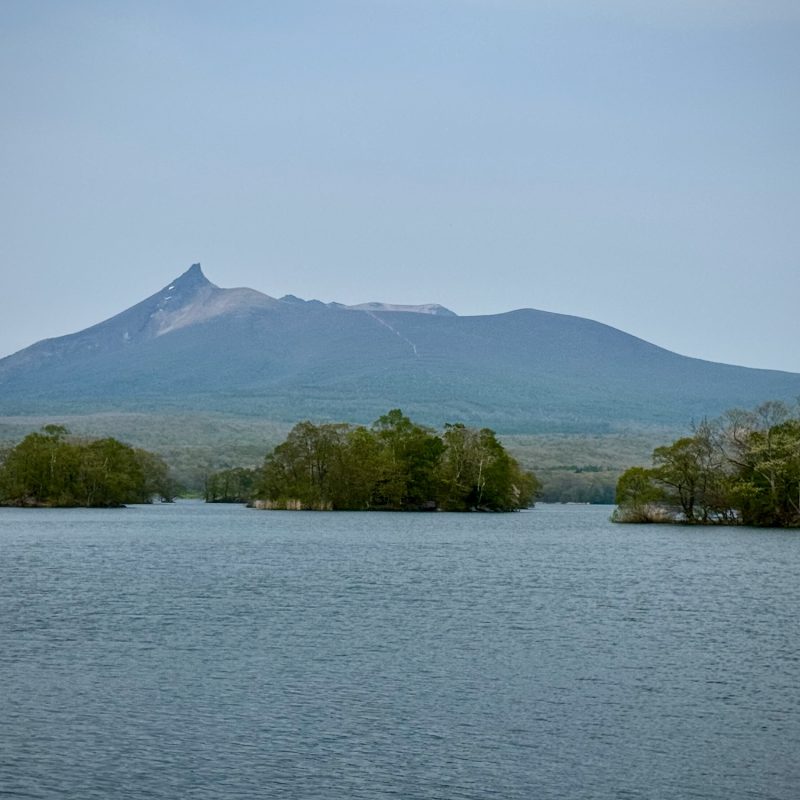
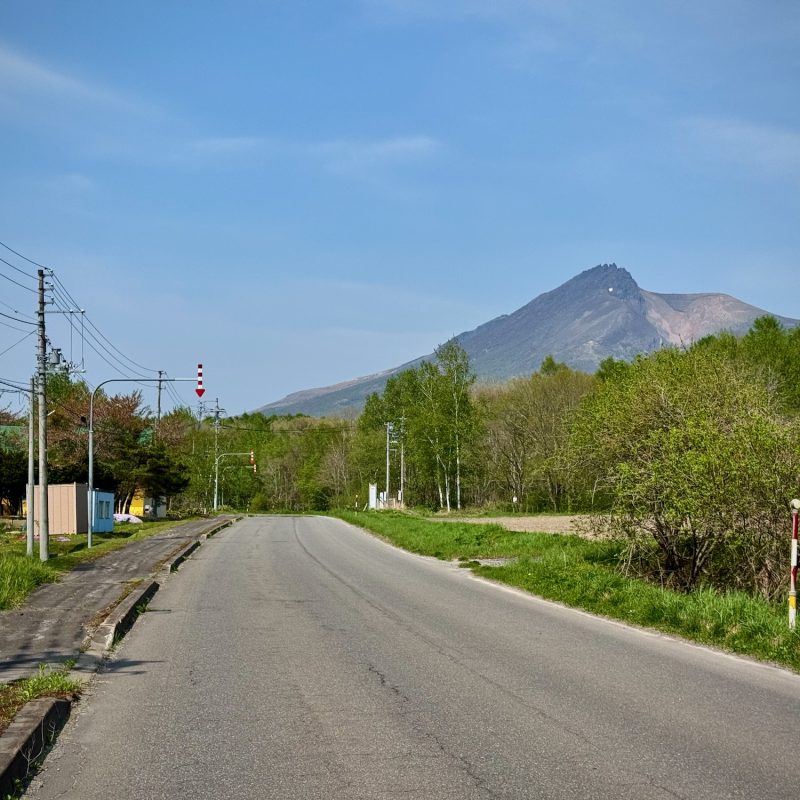
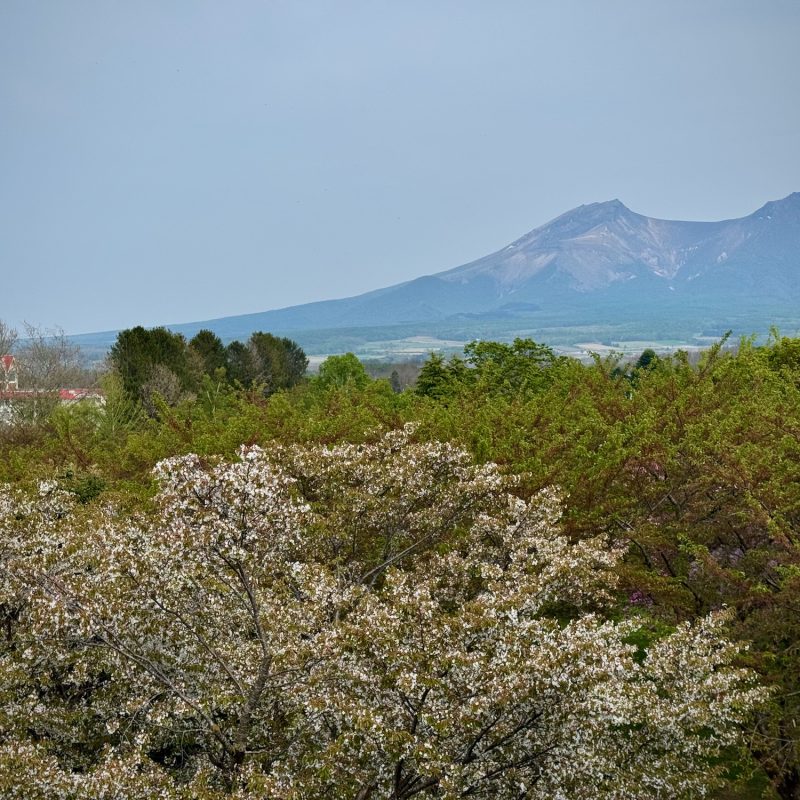
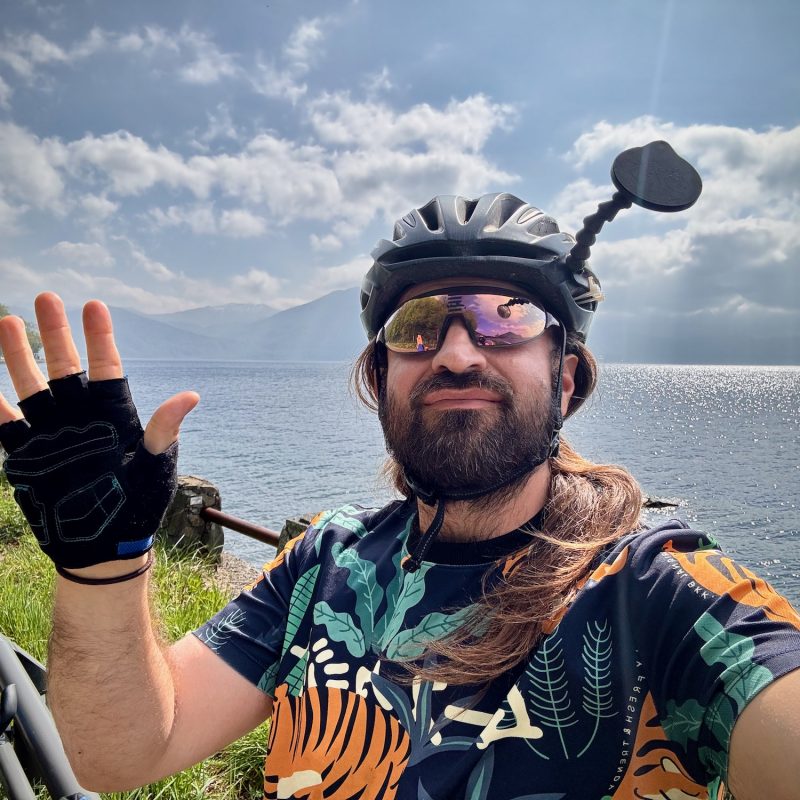
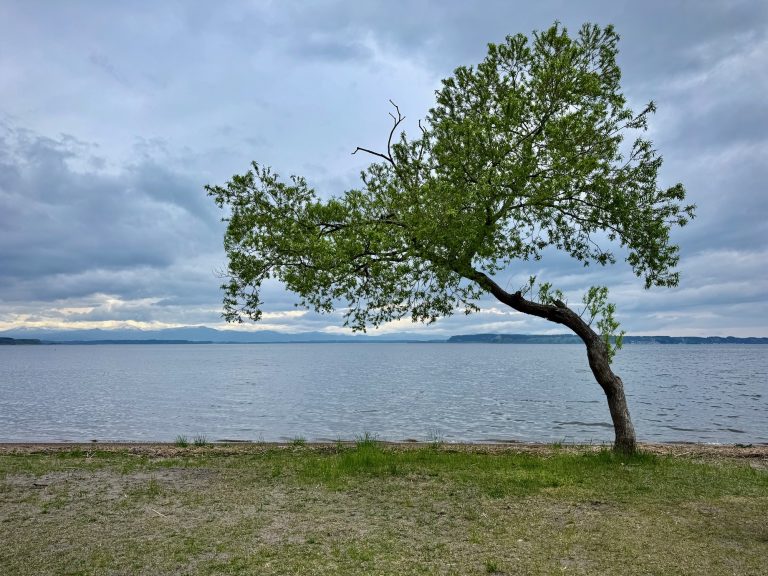
The first of those wonders was the Onuma Quasi-National Park, just an hour out of Hakodate on its main highway north. Onuma is a volcanic lake with lots of quaint looking islets, formed after a massive eruption by Mt. Komagatake above it in 1640. that collapsed its caldera. It’s still active today, but was quiet while in my sights. I stopped in the local town there and did a cool hike that took me over a bunch of bridges connecting the closest ones to shore. Though I’m ‘heading straight along’, I also was of a mind to do some sightseeing or spice up the route difficulty if it was generally on the way.
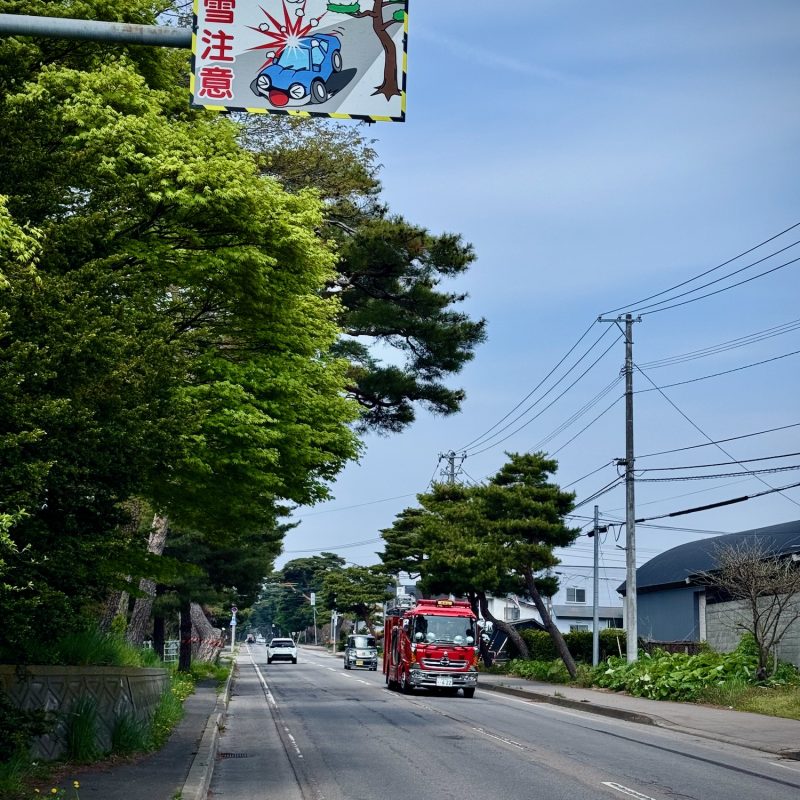
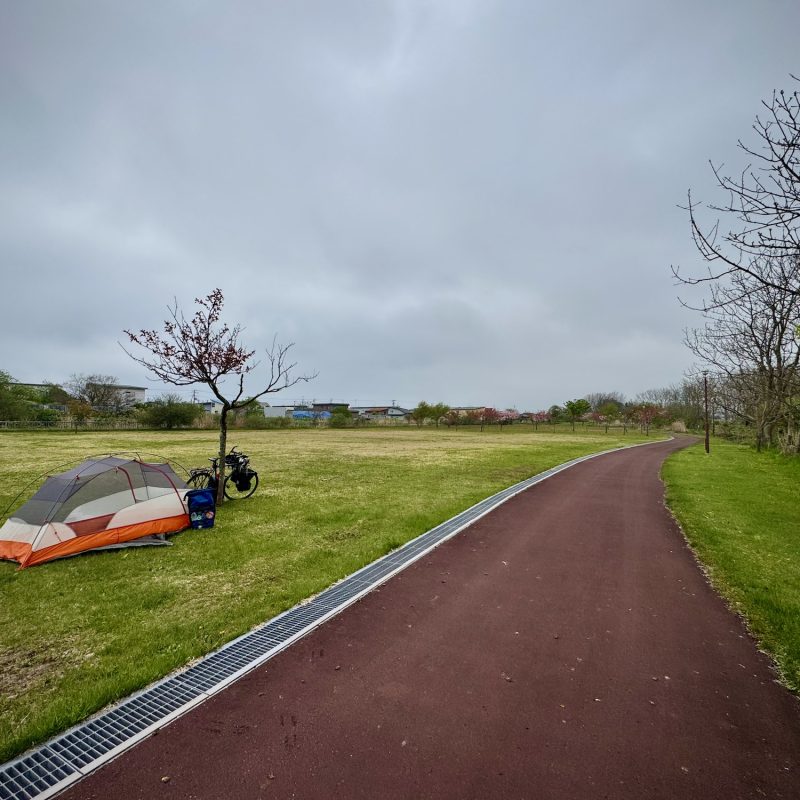
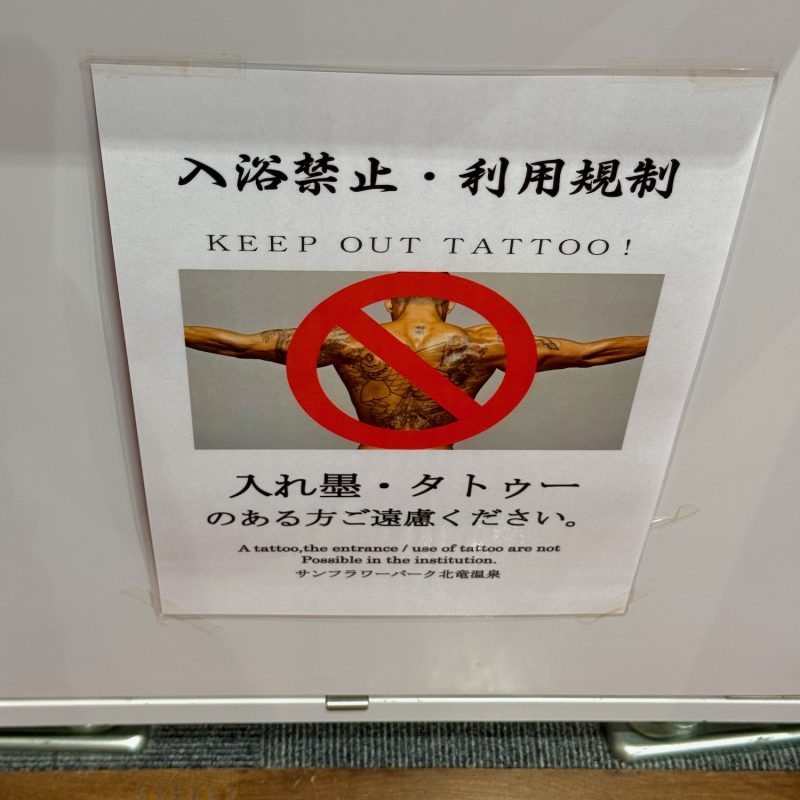
I’d camp the first night in the town of Yakumo, after a brazen dip in a tattoos-prohibited onsen. Thankfully, I couldn’t read the Japanese forbidding us criminals and had a restorative soak. In Yakumo, I had a dinner of discount pickles, sesame tofu and soy ice cream at the local Aeon market. Honestly, it was about as disharmonious a dinner as one can imagine, and I swore off the idea of variety-by-any-cost for the rest of this Japan visit. Onigiri rations are fine, thanks. My camp in that town was on a field track, and fully dark and quiet.
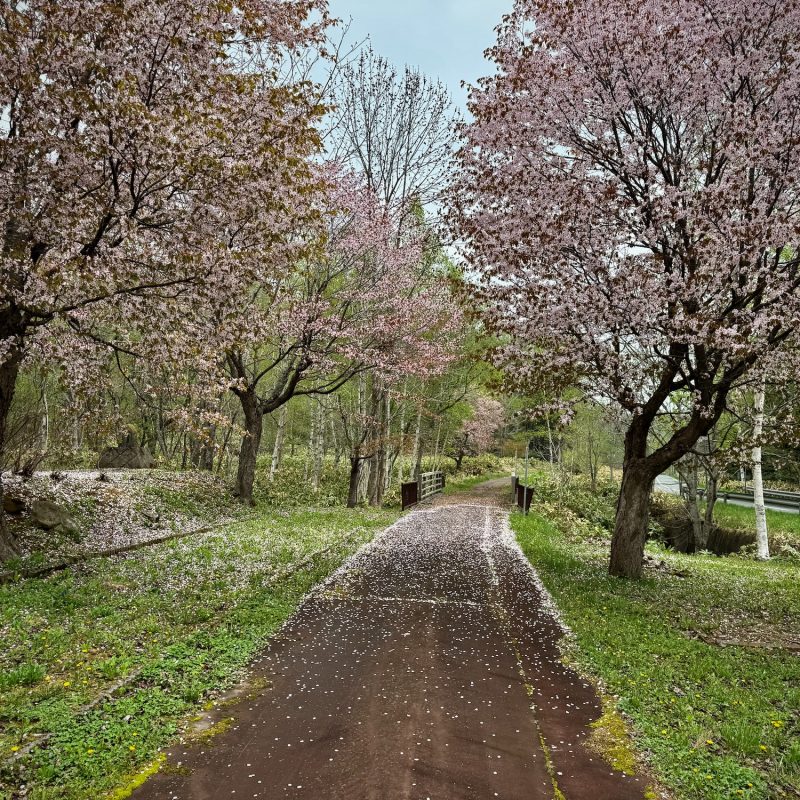
My second day would get me well into Hokkaido proper, into the high mountains of the Shikotsu-Toya National Park south of Sapporo, which is a wild area of mountain valleys and two, separate volcanic lakes that are its namesake. I had quite wanted to visit here during my original visit but opted for sights with easier logistics. I didn’t imagine then I would have been back so soon and be touring the area via bicycle. #blessed. Truly, it’s sort of staggering when I think about how much more of Japan I’ve seen since that first visit. Since I had already been to some must see areas like Furano, Otaru and Noboribetsu, I could venture in a route north that touched none of these worthy sights.
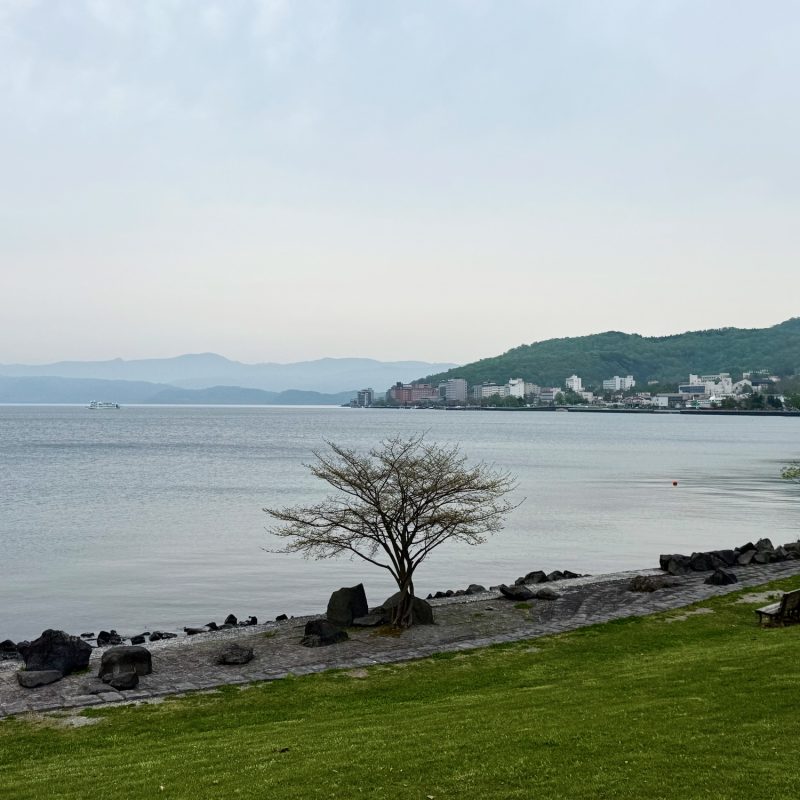
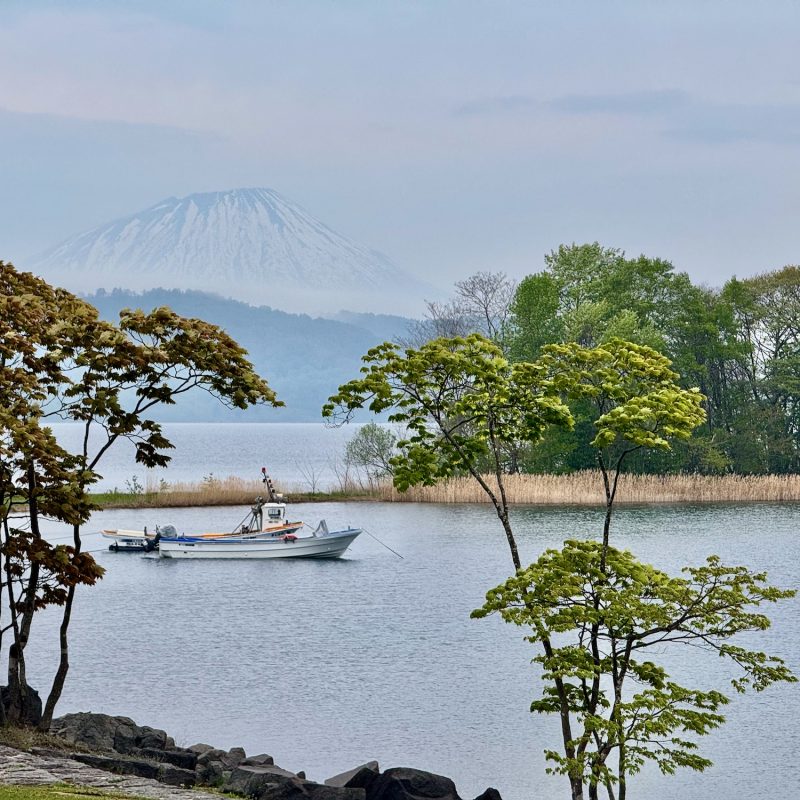
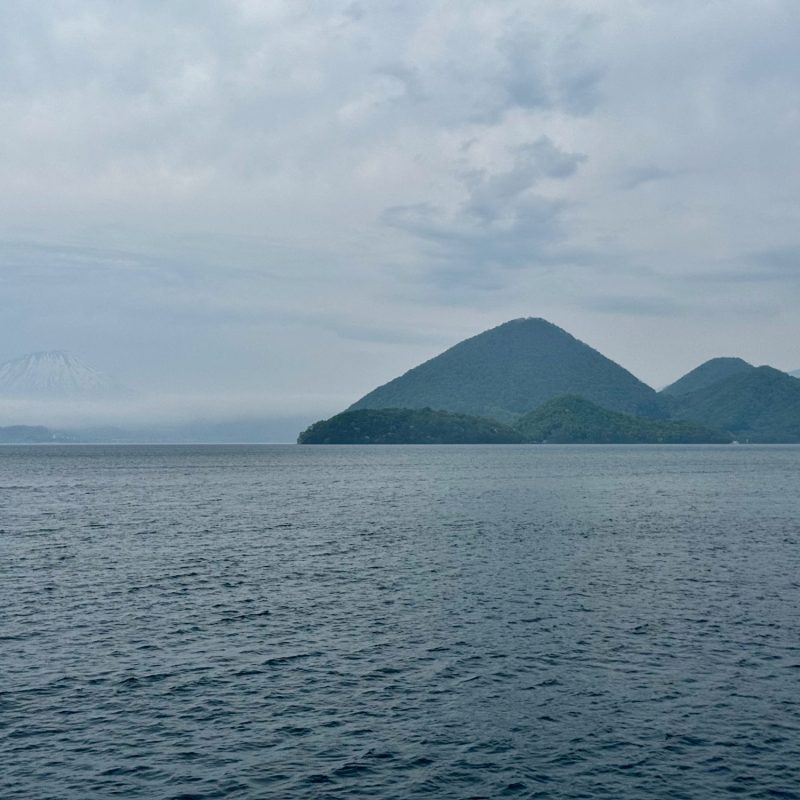
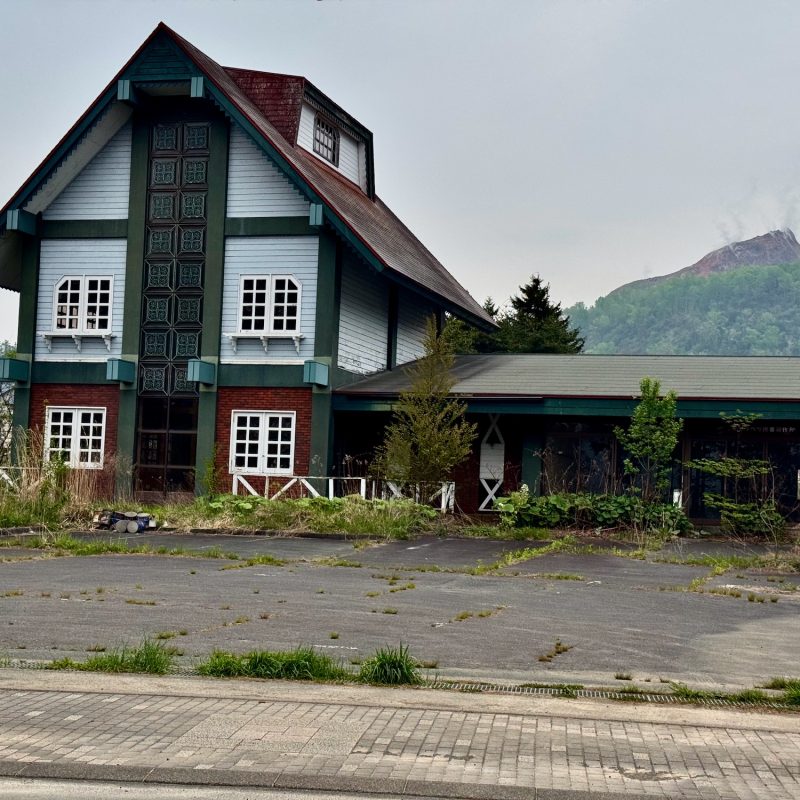
To get to the park, I’d cruise around the Bay of Uchiura before ascending to Lake Toya. From there, not only did I have another beautiful volcanic lake to appreciate, but also the distant face of Mt. Yotei, another famous, formidable mountain of Hokkaido that would be outside my view except for a quick stop and gaze while cycling the pleasantly developed lakefront. Opposite the waters, I caught a glimpse of a smoldering Mt. Usu on my way out. Lake Toya’s a very popular tourist destination, even in the quiet shoulder season I was presently visiting in.
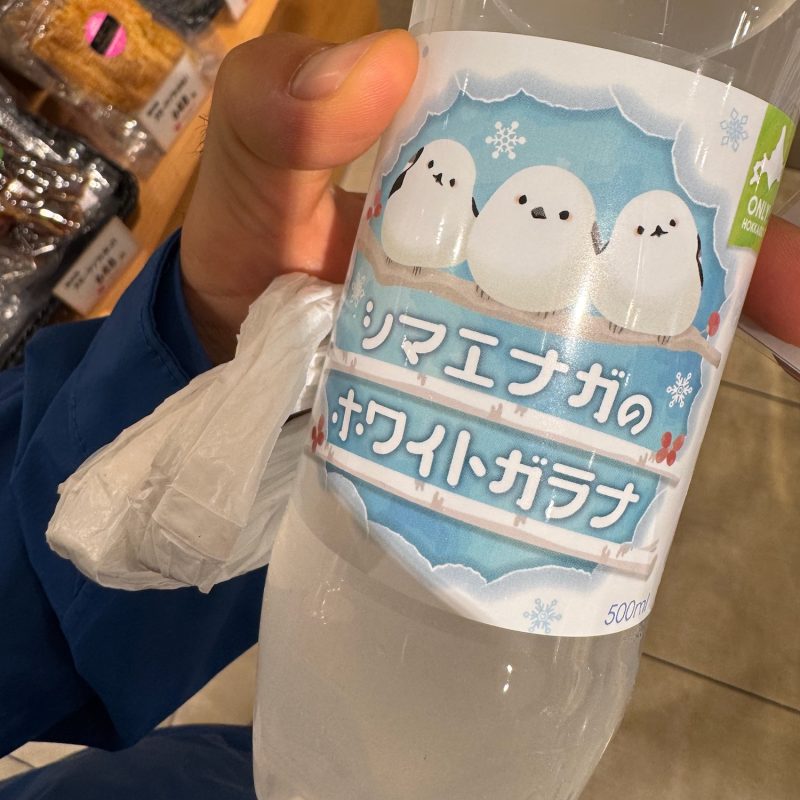
A real novelty here was my first Seicomart in the town of Sobetsu, Hokkaido’s regional chain conbini. Claire was aghast it took me until my second evening in Hokkaido to visit one. I think she might wax nostalgic about them a little too much, because honestly they aren’t any more special to me than the Sevens, Lawsons or Famis. No extra options for vegans exist and the overall selection is hardly different, but that local charm does count for something. I got my usual rations and some kairo (stick-on-warmers), to comfortably camp out the next few nights where lows were around 10 degrees celsius, before considering any potential windchill.
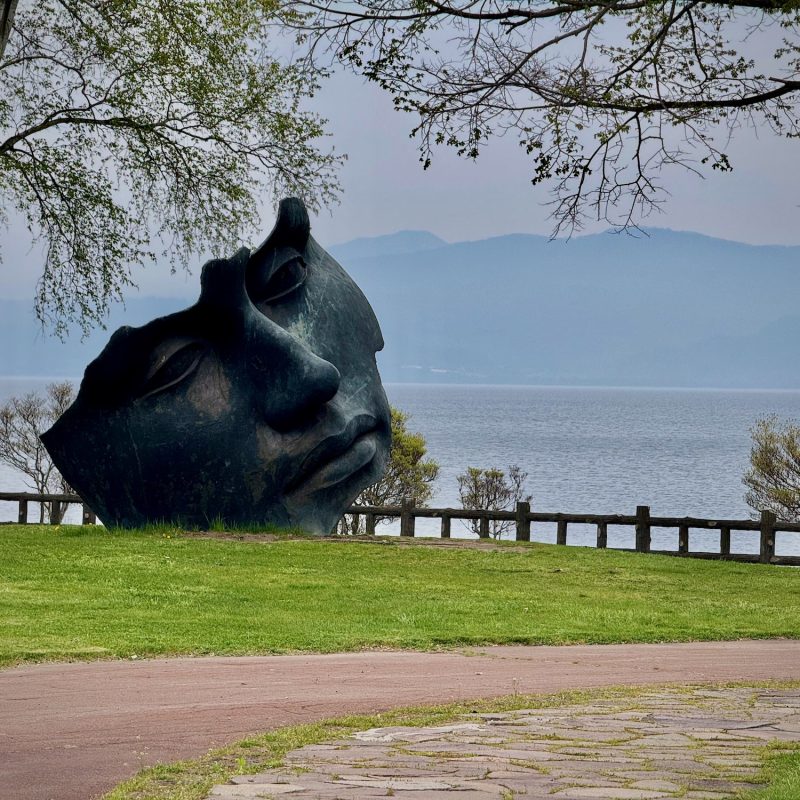
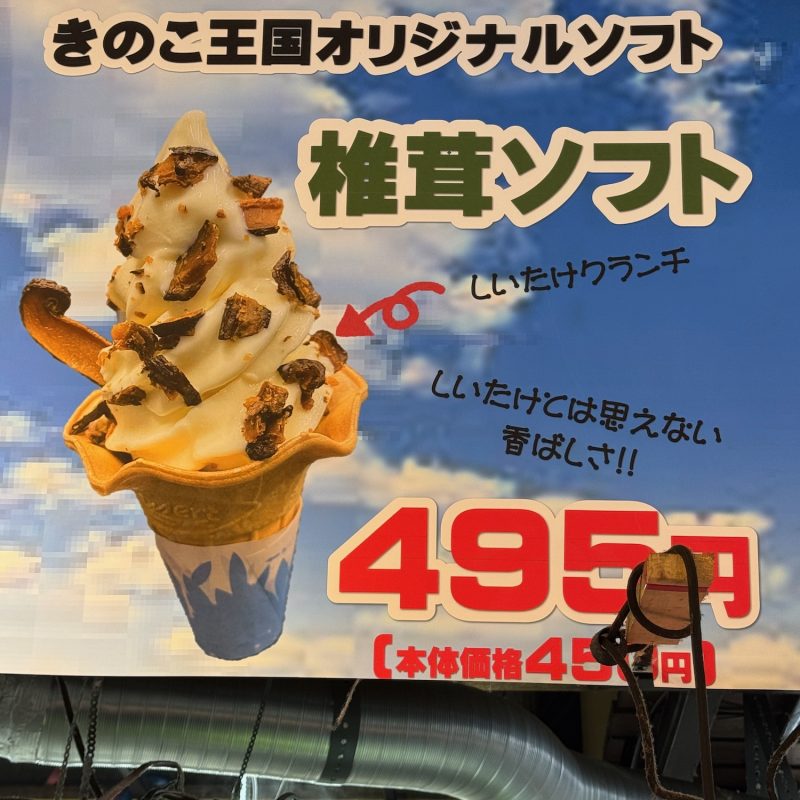
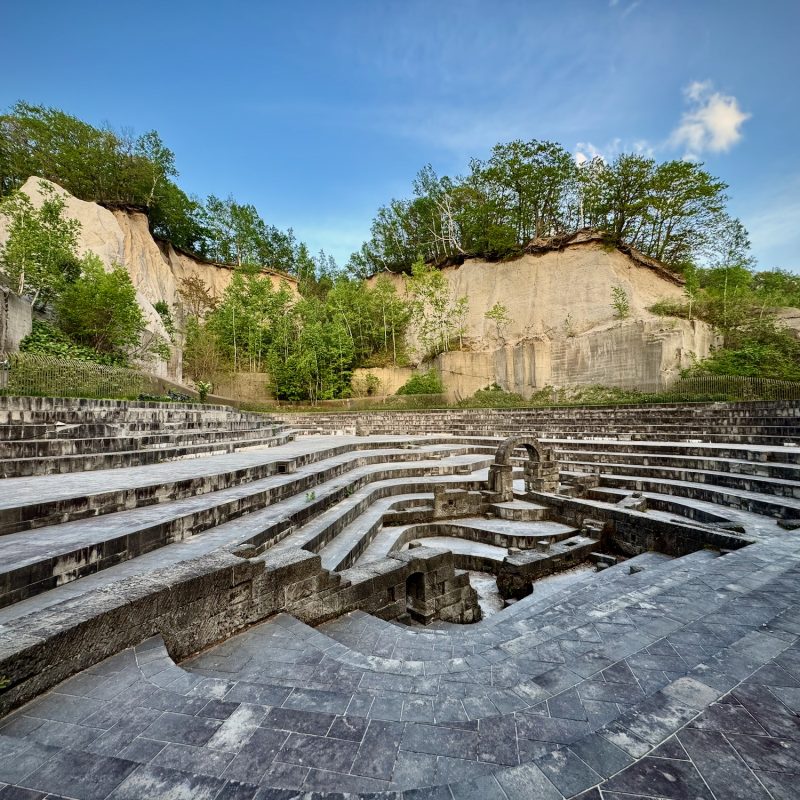
I made camp that evening in the valleys between the two lakes. I found a rare, cost-free and more importantly, judgment-free, sento near my camp at a sculpture park with plenty of deer frittering about. The locals there were really friendly. In the morning, I found myself by chance at one of Claire’s waypoints, the Mushroom Kingdom. This place, similar to the roadside stations that dot rural Japanese roads and cater to travelers, had mushroom.. everything. Tempura, ramen, pickles, and most bizarrely, as an ice cream topping. I settled for a double dose of the tempura for second breakfast.
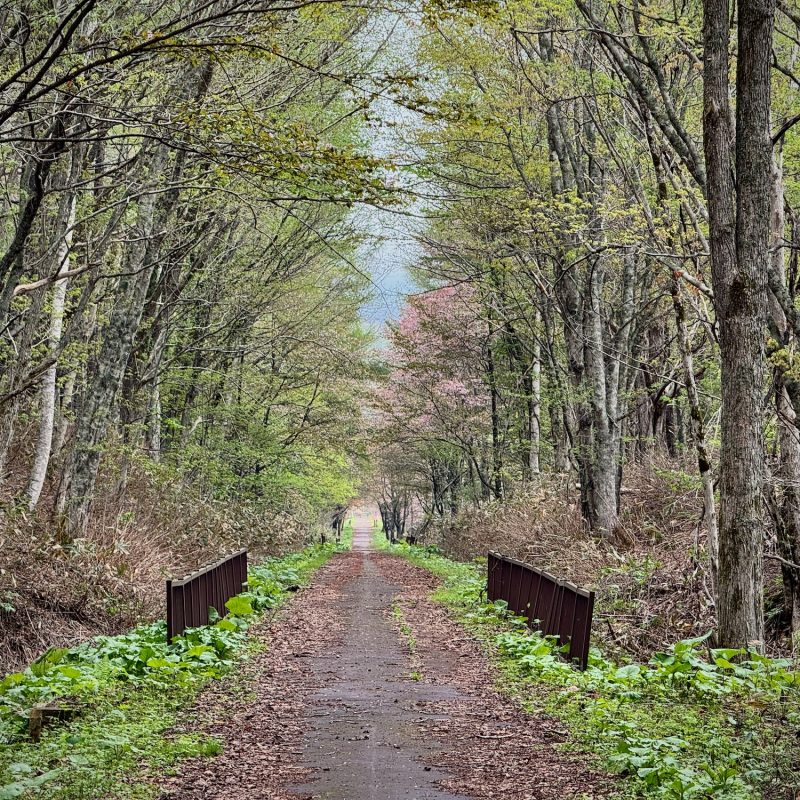
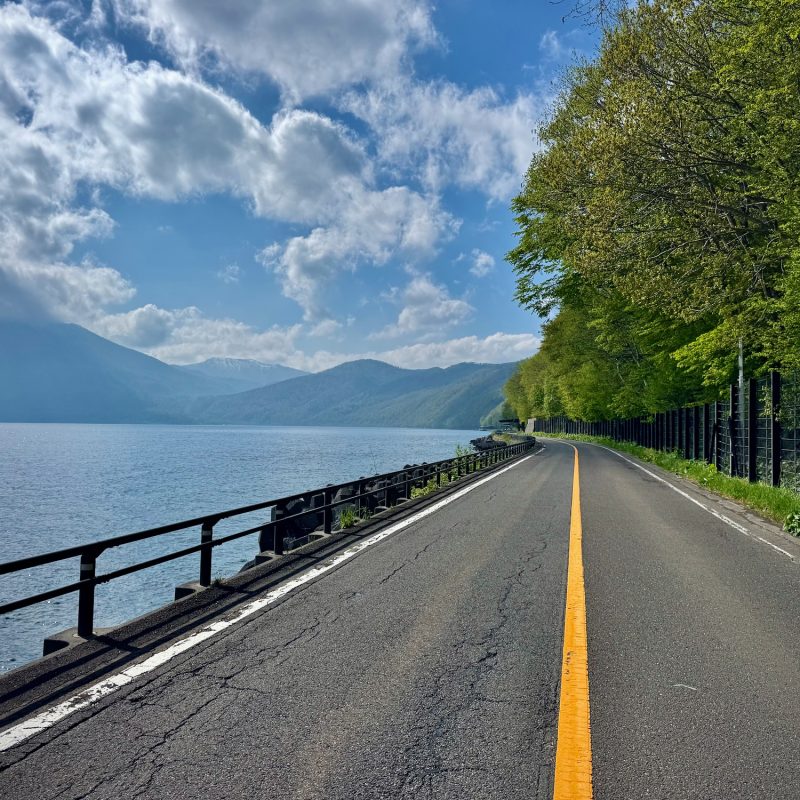
Lake Shikotsu was quite beautiful itself. It exists in the shadow of Mt Eniwa that was cloud covered that day despite sun on the lake. I did get to climb a very steep and lonesome mountain pass through the valleys as the most direct connection to Sapporo once I’d looped the lake. This would sadly be the last big ascent of the trip, so I made sure to savor one last extra hour of sweat-dripping grind up winding roads.
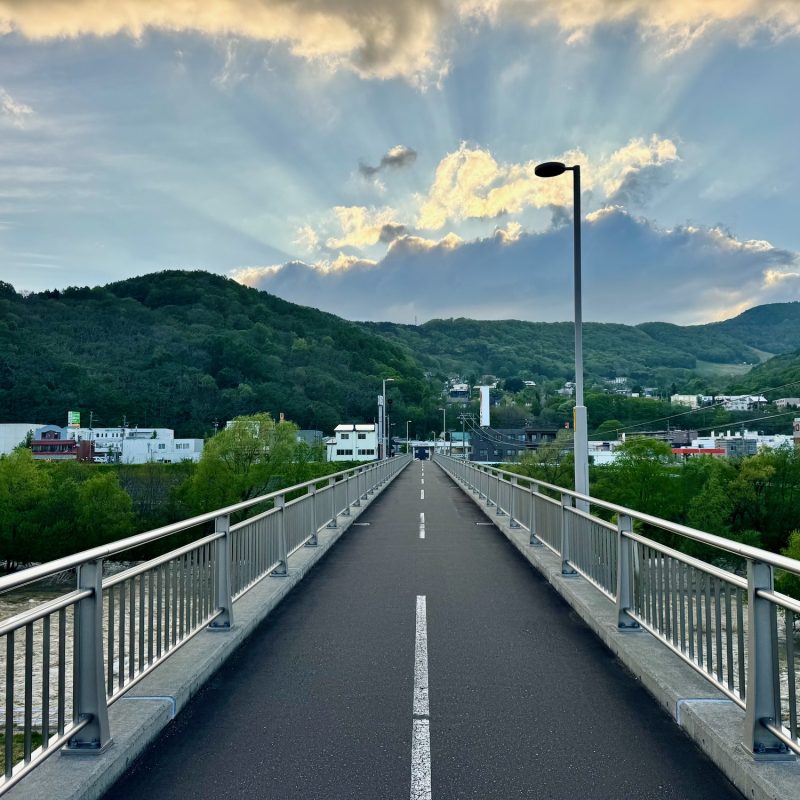
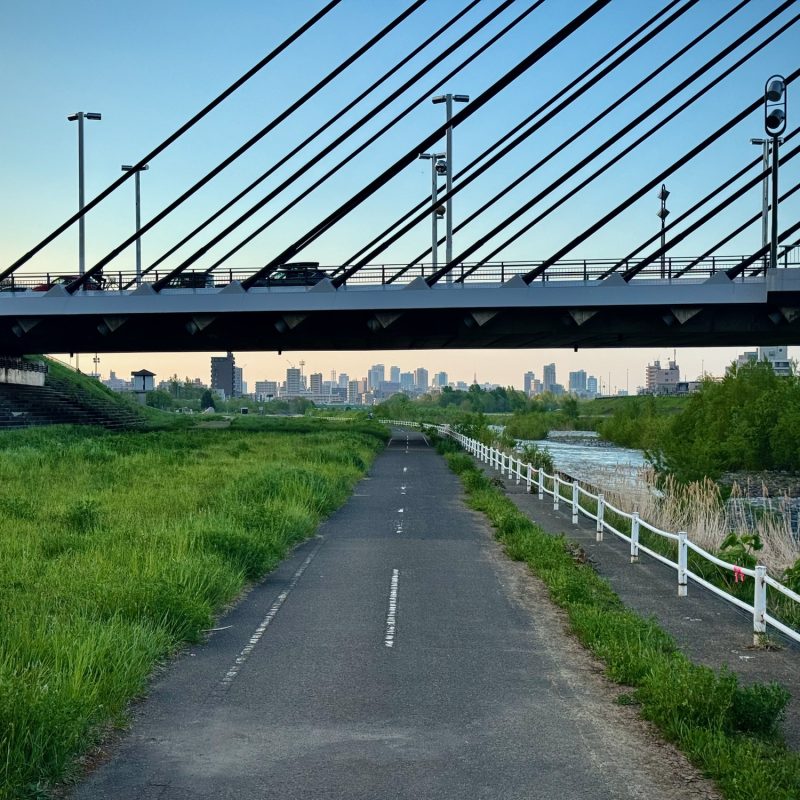
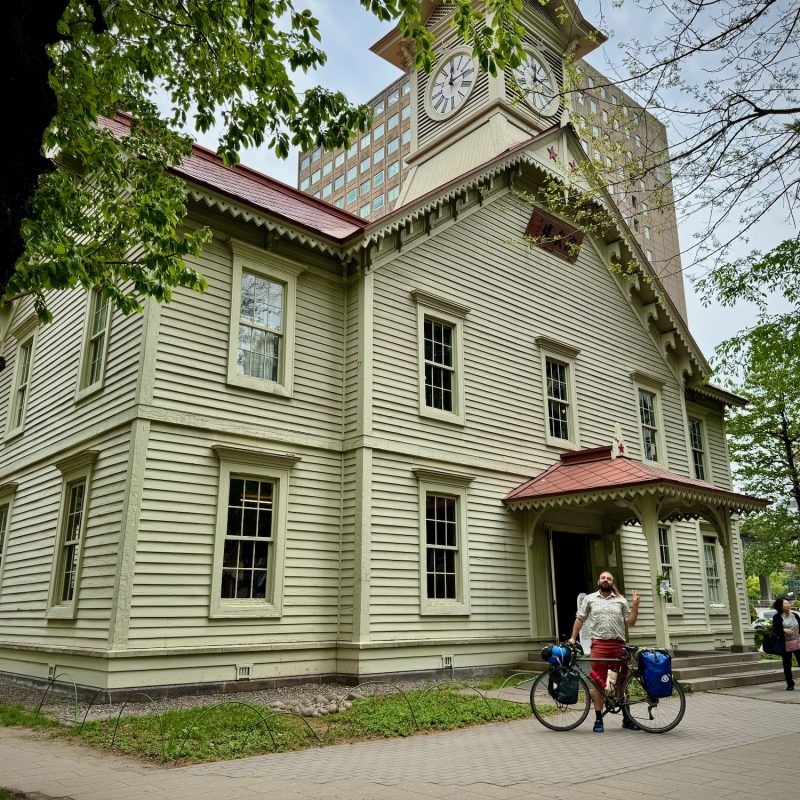
My ride into Sapporo, following that effort, was one of the best I’ve had for entering a big city. Bike paths exist along the river, which I flowed along with downhill, right into the city center and my hostel for a night. I thought about taking a day or two extra here with its great amenities, but I was simply of a mind to finish. So, I compromised with a half day upon exit so I’d have a little bonus rest time and some amenities.
After my last gourmet lunch, and some bike shops, I was back on it. Taking river paths became a bit circuitous as an exit north but were still worth it for riding with serenity. Claire helped me find a busy campground & onsen combo in the northern exurbs to cap off a great day leaving town. Tattoos were back to being prohibited of course, but I got my rejuvenating soak in regardless, and felt extra chuffed with having my tent up early before a sudden rainstorm peppered the property.
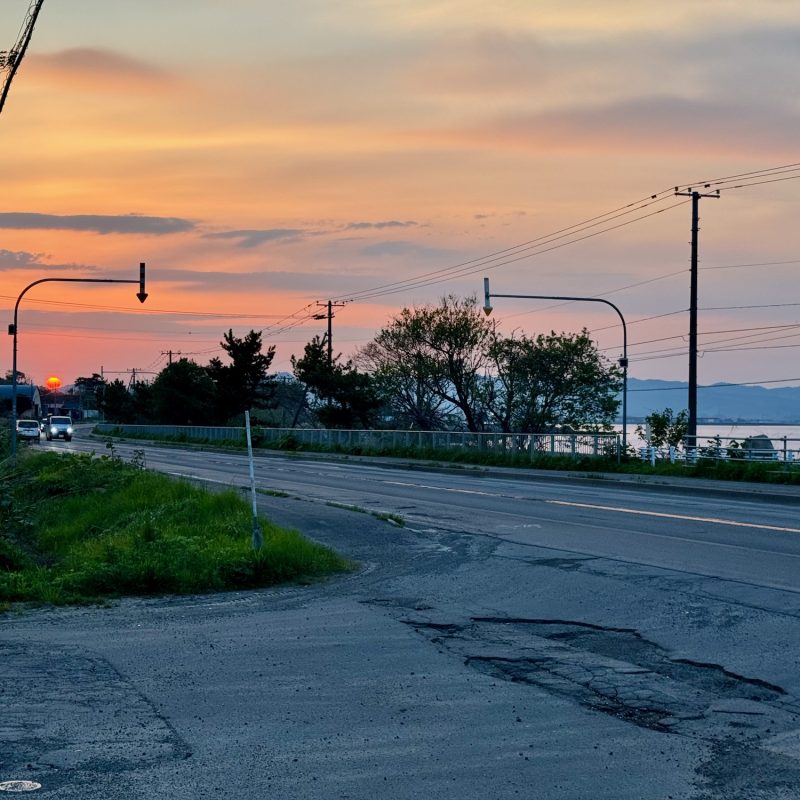
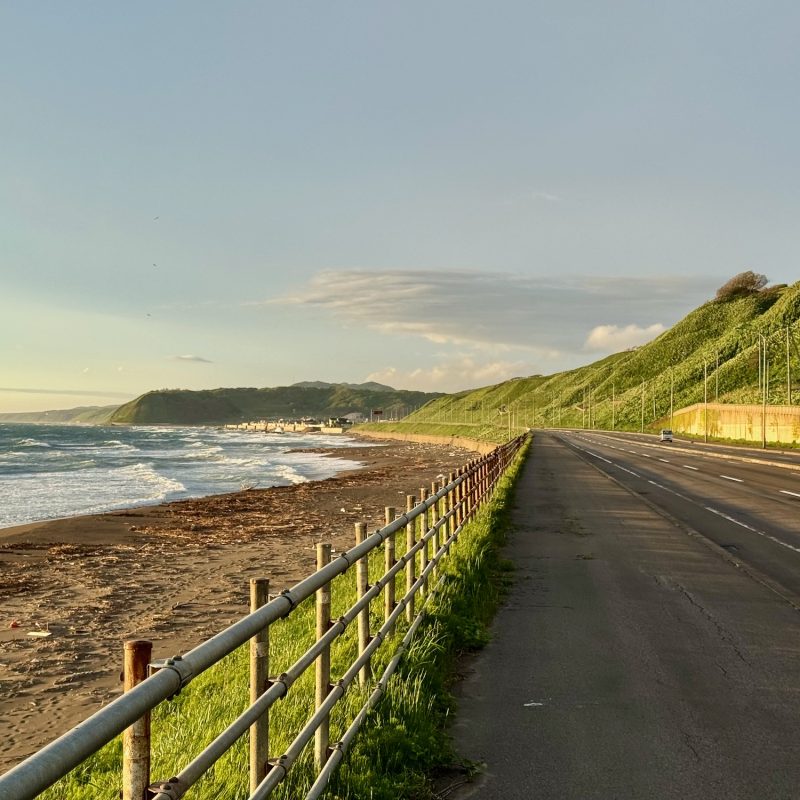
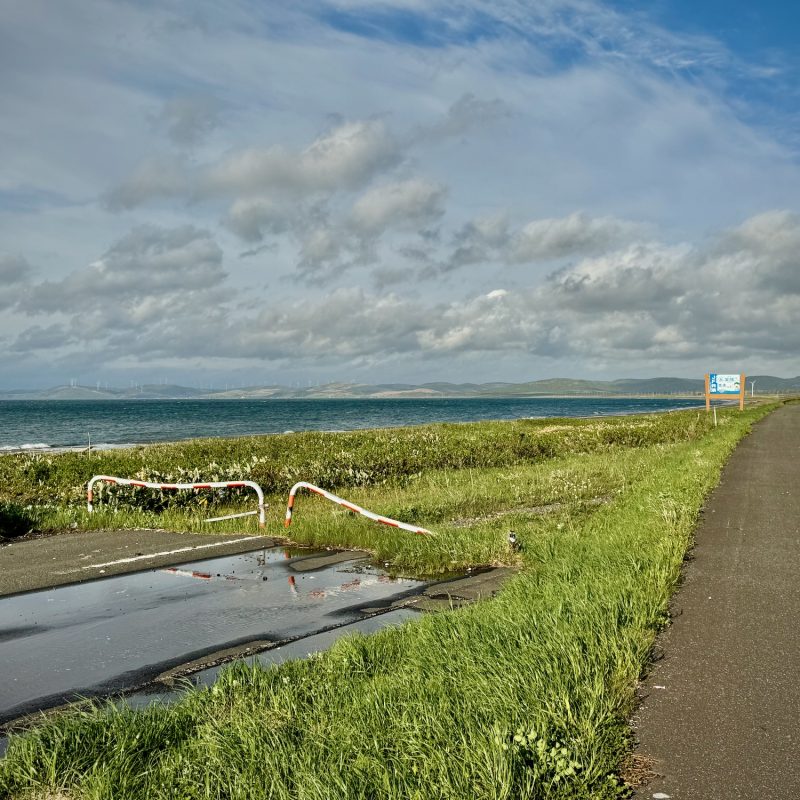
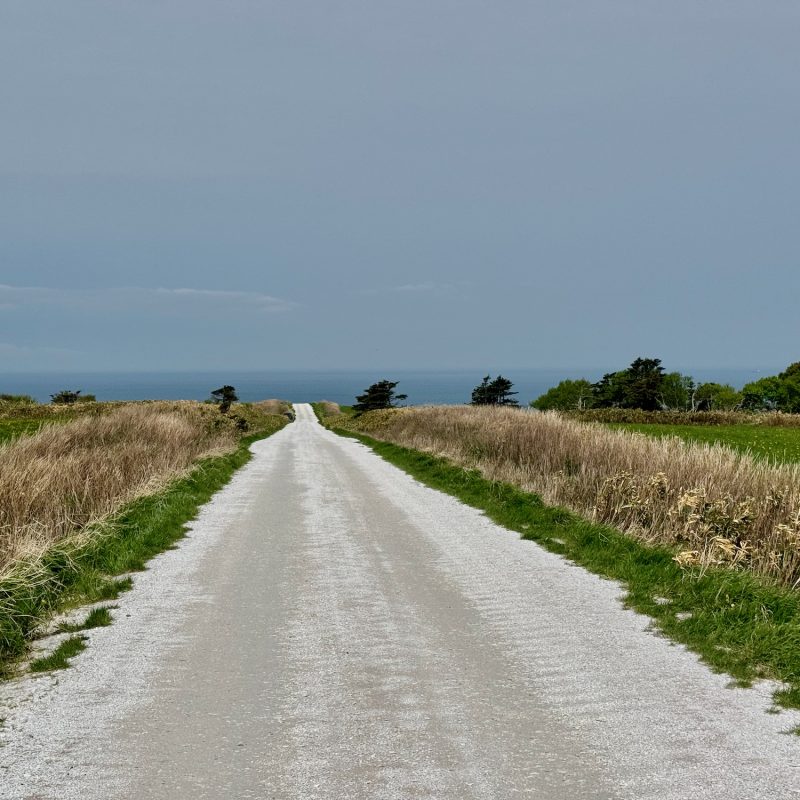
The next day, I reached the endless feeling west coast, where only north was left on the ride. Getting there was a drag, with me getting hosed by a passing shower not in the weather apps. It’s still important to follow your vibes on how things can play out and not just trust weather forecasting. At least I got to dry out in the golden evening light of the town of Rumoi, where the highways ended and my coast ride began. Of course, I concluded with another onsen, whose residents were quite surprised and happy to have a foreign tourist so far off the main roads, and didn’t seem to mind my tattoos. It’s interesting just winding up in friendly conversation when you’re totally nude, in a language you can barely speak and are sort of breaking the rules.
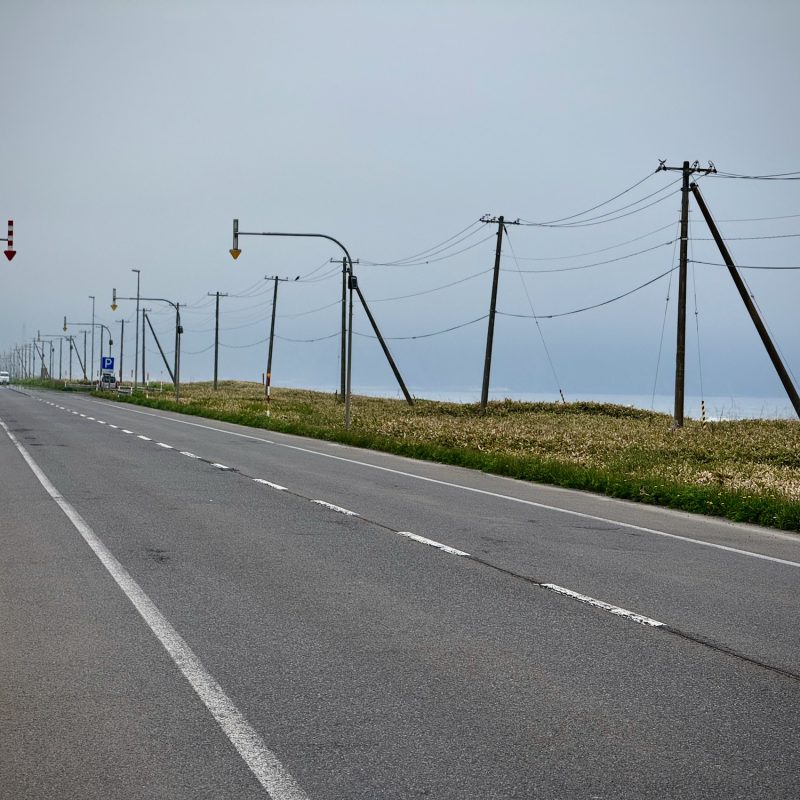
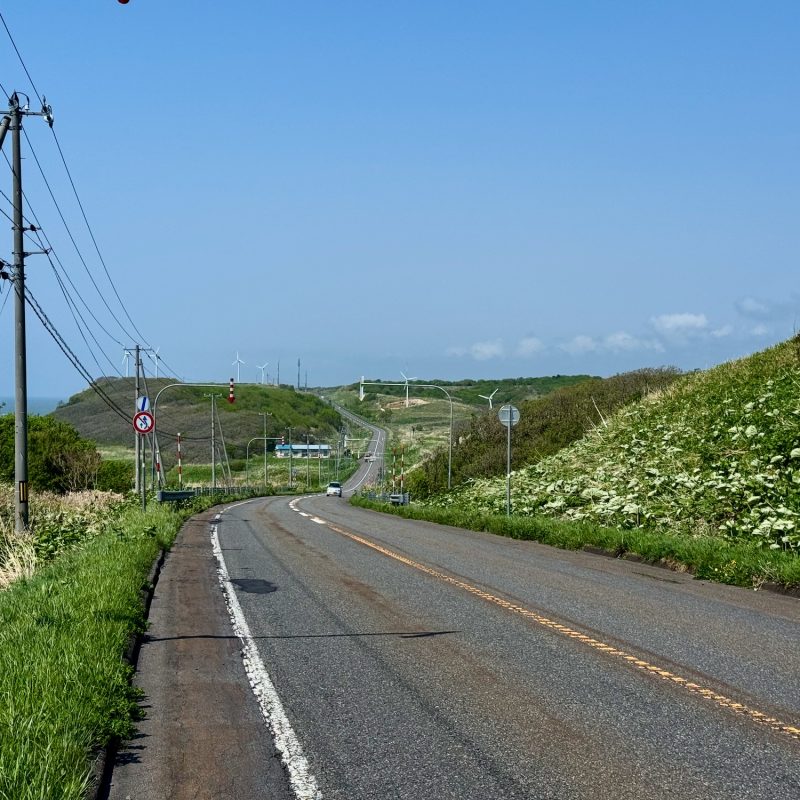
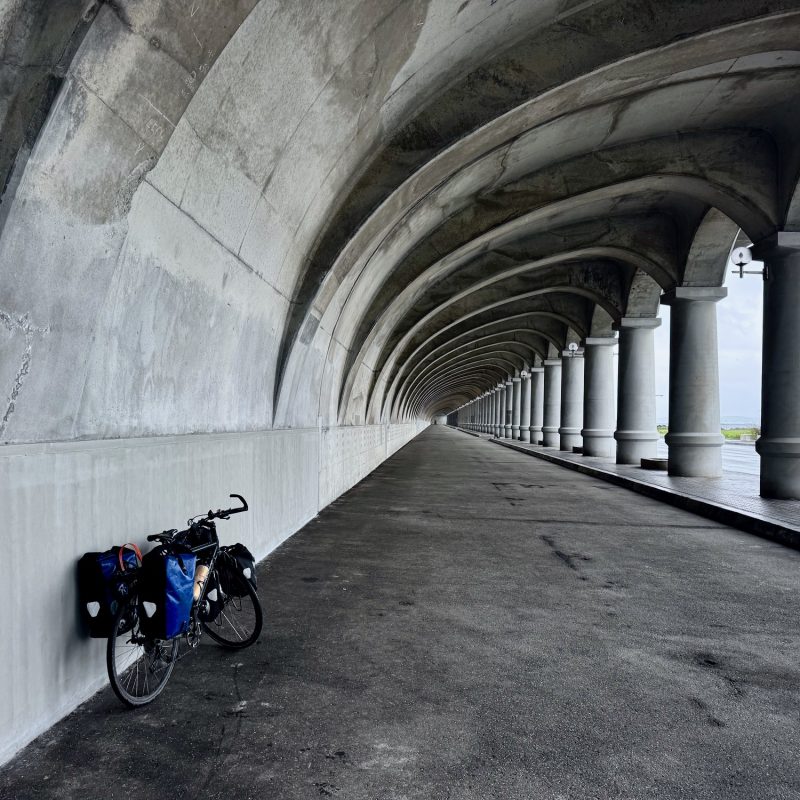
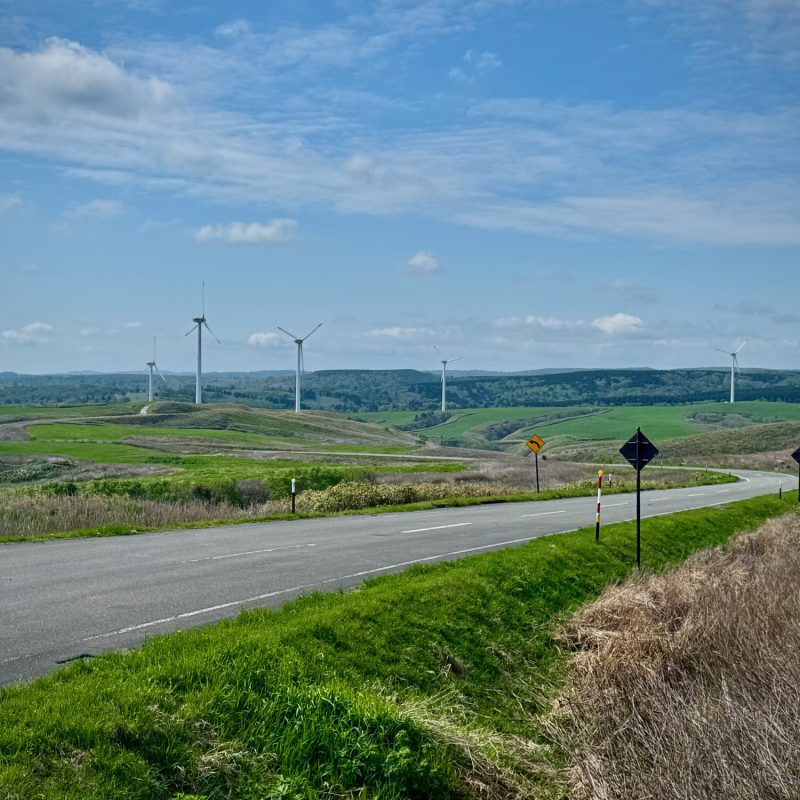
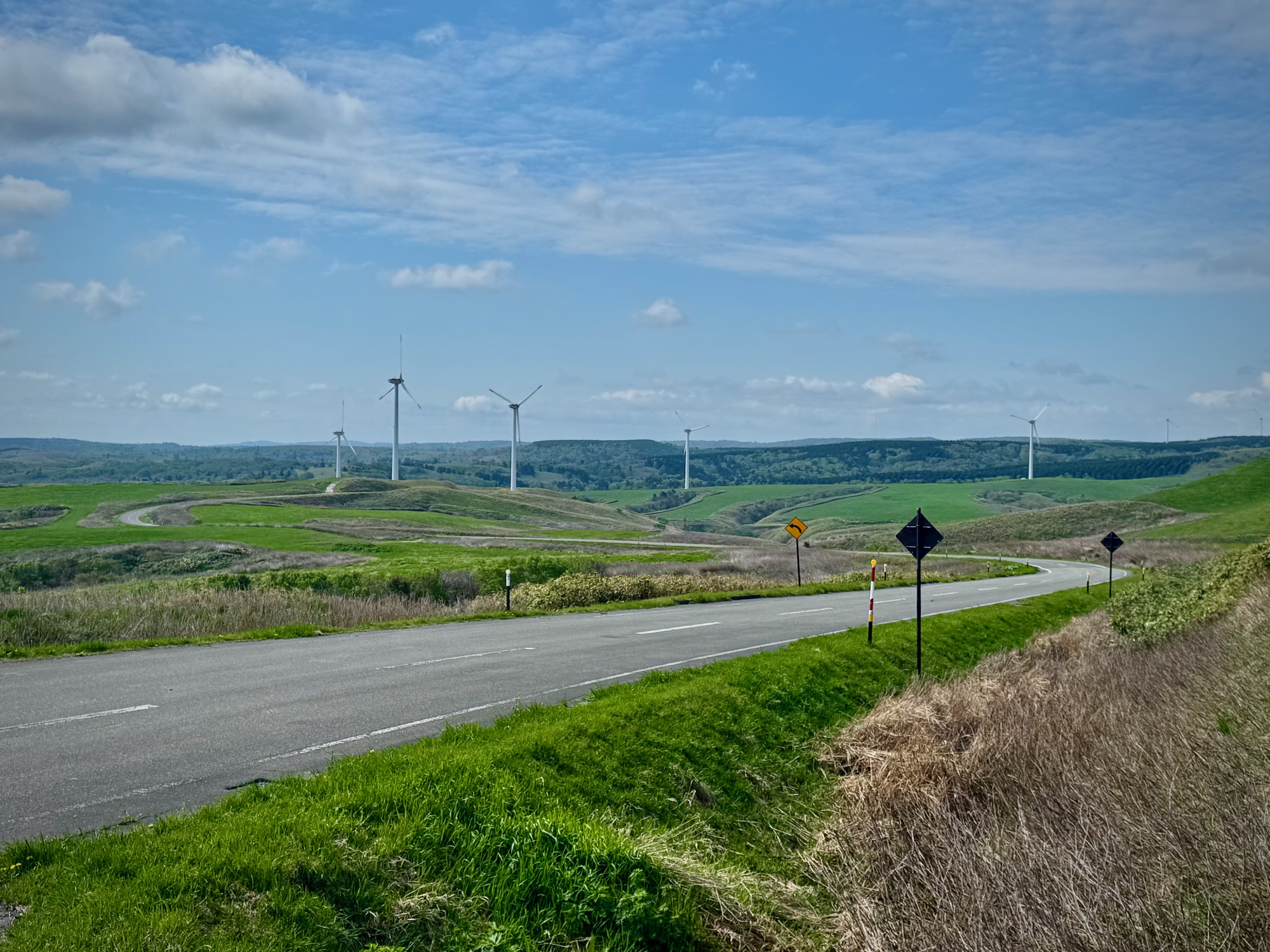
One thing apparent now about the Hokkaido coast up here is the furious, constant wind. I FLEW a hundred miles on my penultimate day up to Wakkanai with it blowing some 15 mph at my back. It actually wound up being my furthest mileage day due to the very favorable conditions. On flat terrain, I had hit that a few times on my US ride with similar conditions and goals to go far, but Japan rarely has the conditions for a big day with its constant hills and turns. It helped that the century I pedalled got me to finish at another onsen, which was always been this trip the single greatest motivator to go an extra bit.
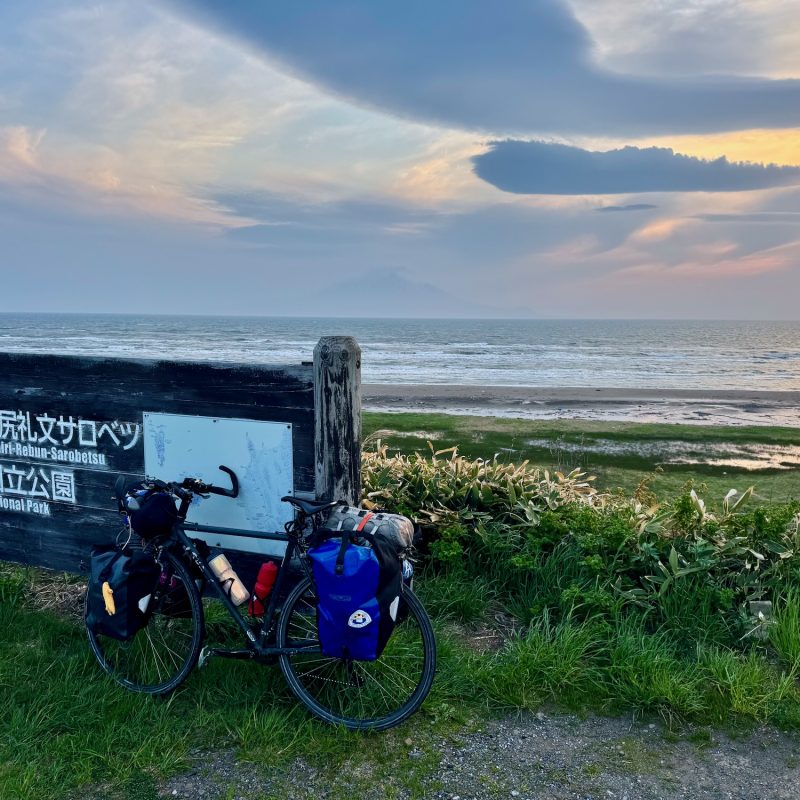
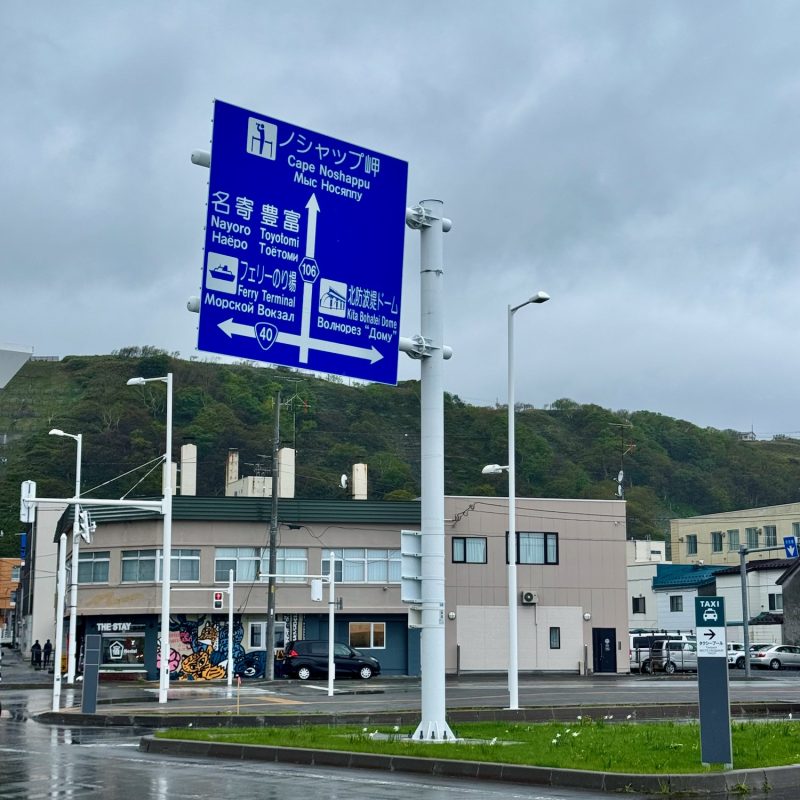
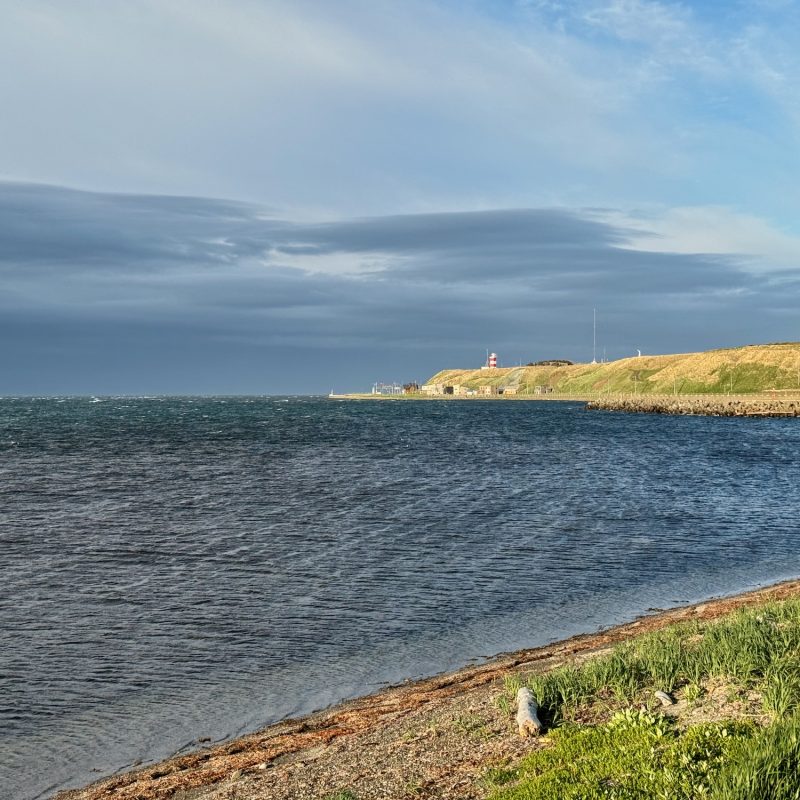
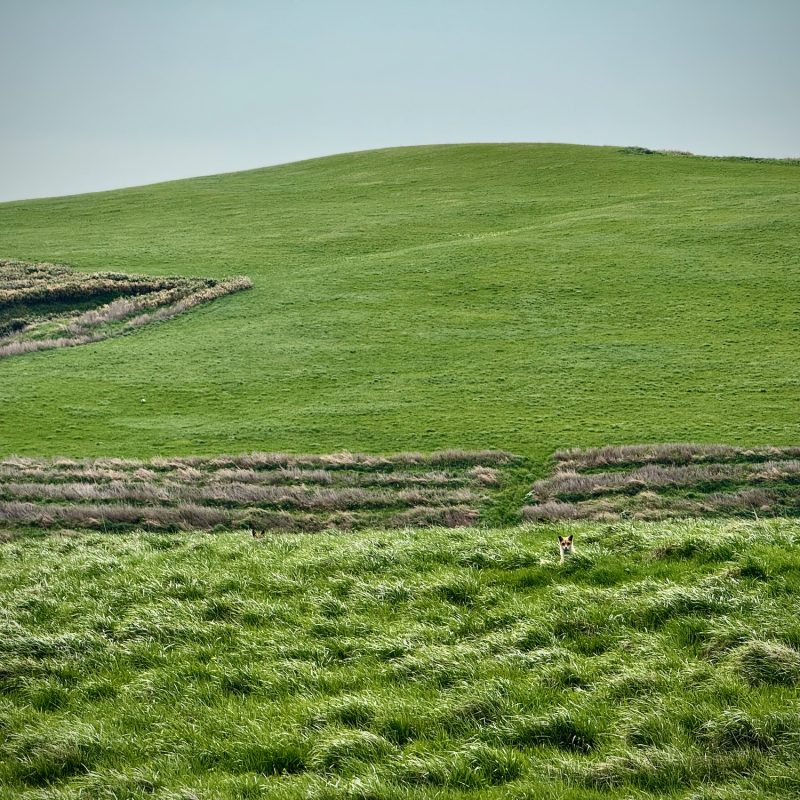
On my way, I’d pass the Rishiri National Park at sunset. The dormant volcano off the coast requires a ferry ride to visit, and I debated adding a trip to this distant treasure. I skipped on that, as the islands apparently really stand out during the high tourist seasons when one can hike or ski it. Into the darkness, I continued my ride before finding Wakkanai’s southwestern outskirts on the Cape of Noshappu. It got even a bit surreal just cycling past hundreds of sika deer as night fell, chaotically bounding about as I approached. Japan’s wolves are long extinct and no predators exist anymore for them, so they’re grossly overpopulated, and it’s especially visible with grazing herds in the boreal grasslands around the city.
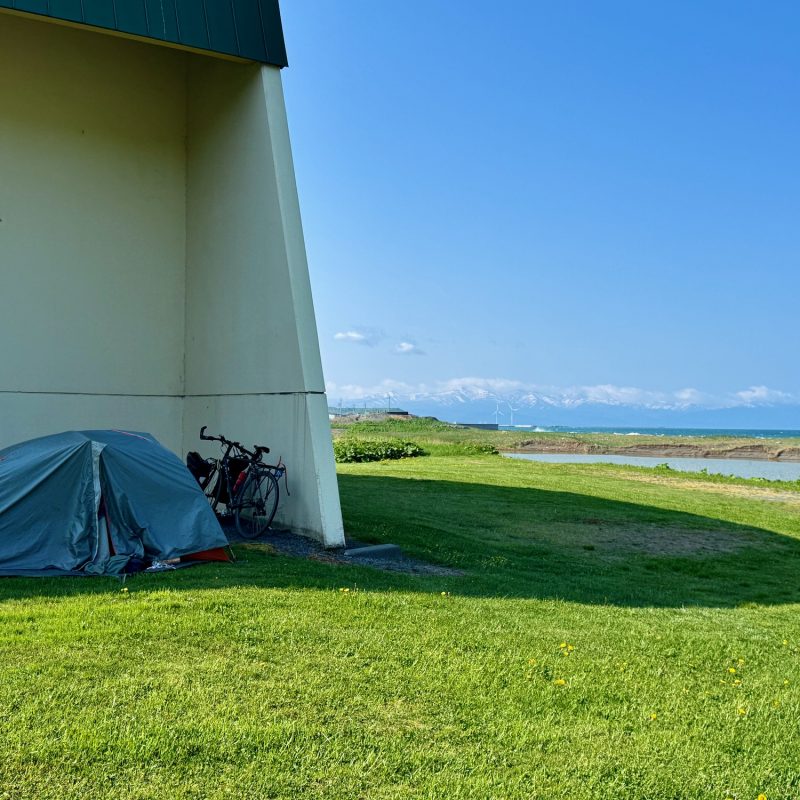
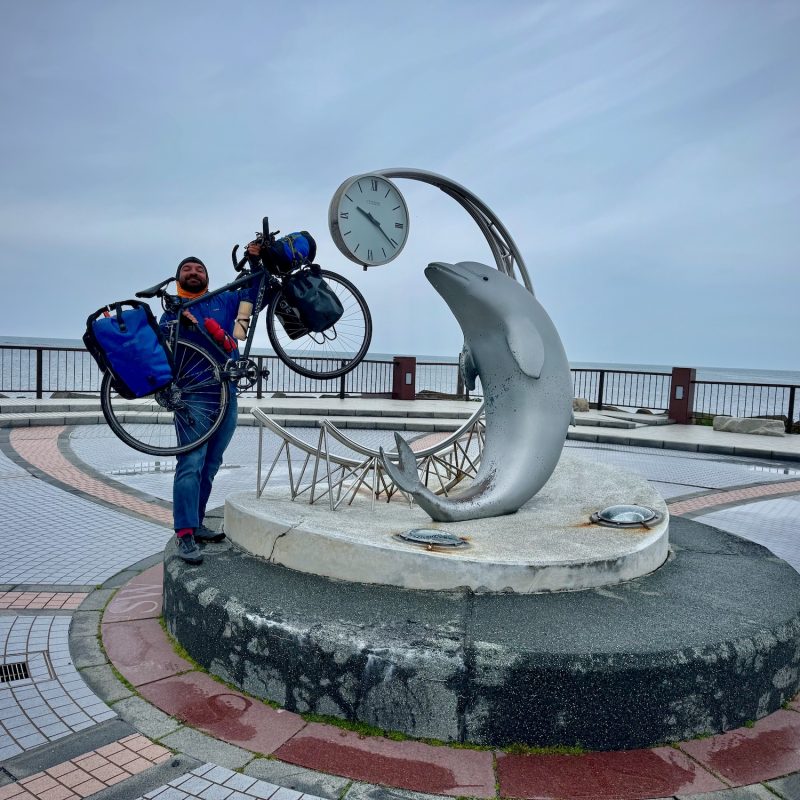
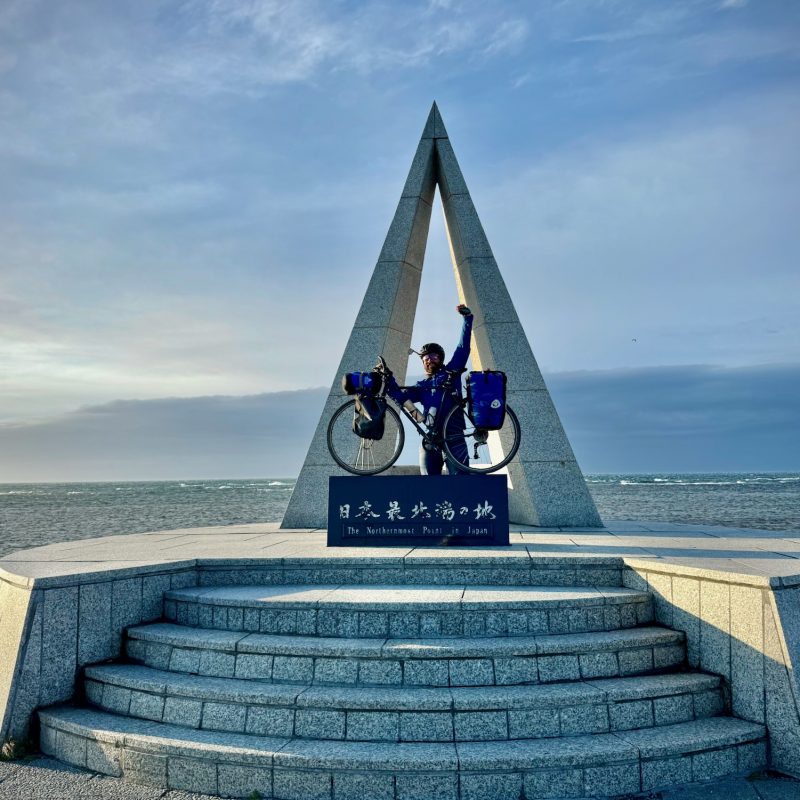
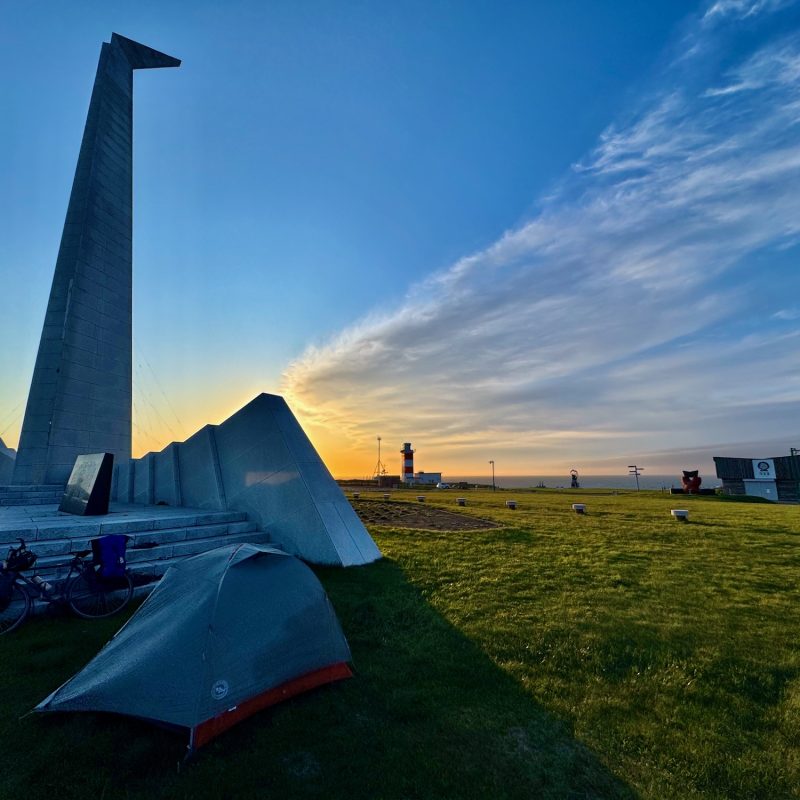
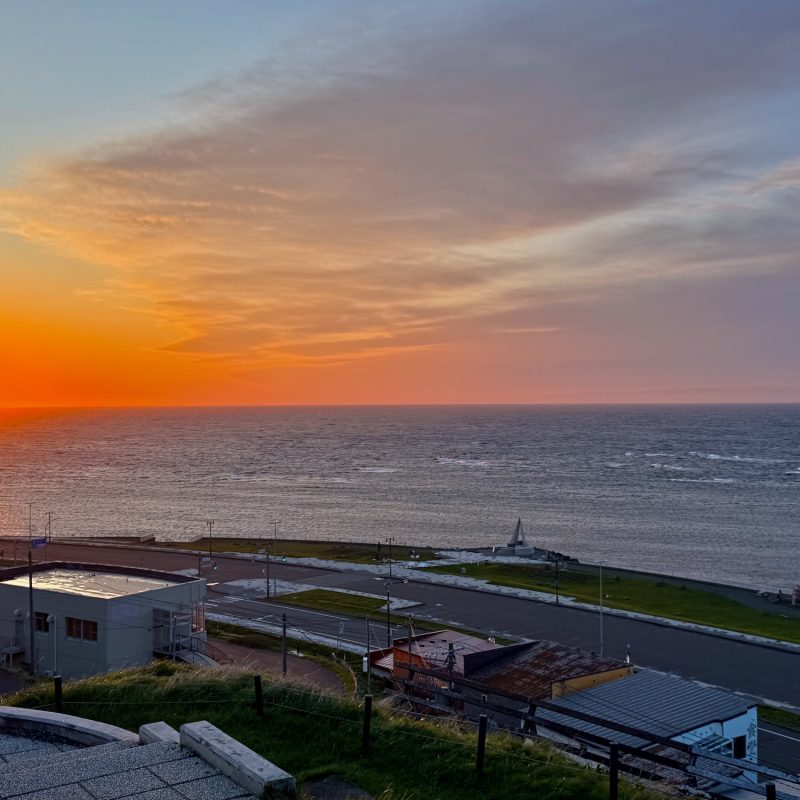
My last day was an easy one after the furious ride. After touching the Noshappu Cape’s northern monument, I entered Wakkanai city and spent most of a day chilling out on wifi and waiting out rain. I managed to find some half-decent Nepalese food as a treat. Although Wakkanai is so far north and secluded, it’s actually a decent sized town. It has rail service and even a regional airport that flies direct to Tokyo a couple times a day. Upon discovering that, I kept an eye on flights as my way back, and was lucky to score one fairly cheaply given the unique service. The timing of that also dictated a chill day to follow my huge burst up the coast the day prior. From Wakkanai, I’d ride on to Cape Soya, past the airport, to finish the ride and once and for all. I made camp there after celebrating my triumph, sheltering under a monument to keep myself from freezing in the howling wind.
Cape Soya and Wakkanai occupy an interesting place of history. They are the farthest northern reaches of Japan today, but at a different time, the Japanese empire controlled part of Sakhalin Island, calling it Karafuto, which is visible 20 miles across the Soya Strait, as well as the Kuril Islands in Hokkaido’s far east. That territory was once and now again is controlled by Russia, since the end of the Second World War. There are plaques for peace, memories of explorations and hostilities, downed passenger airplanes and forced repatriations, and even Cyrillic bilingual signs in the area. There was even a ferry until recently that went to Sakhalin. Covid and the subsequent descent into hostilities in Ukraine have forestalled any revival of these outreaches towards cooperation.
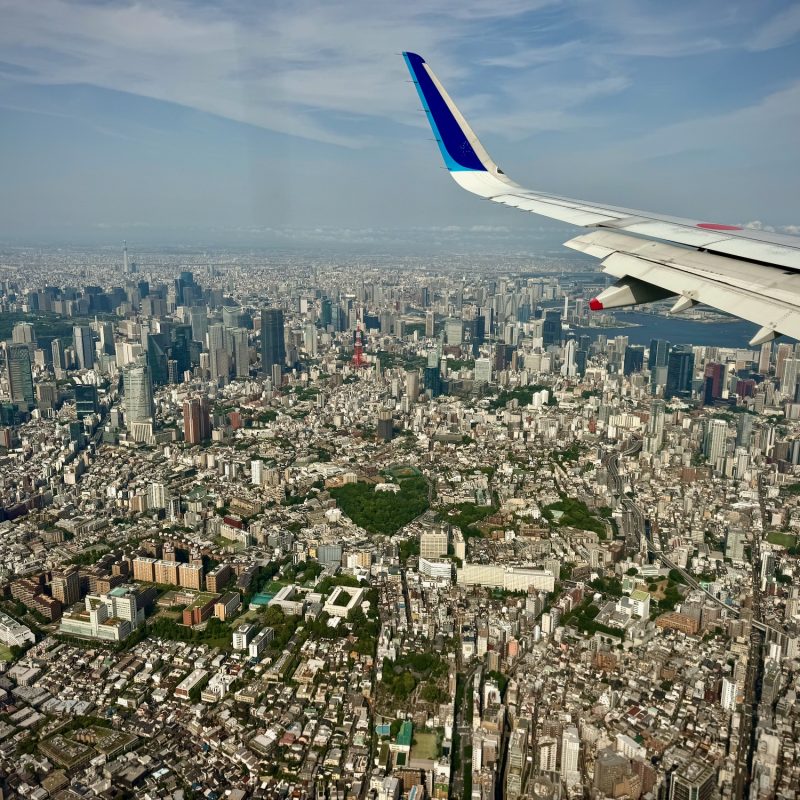
With the ride completed, some 2,000 miles all together, I had a simple last day to return home. A midday flight from Wakkanai airport gave me time to ride inland briefly for a change of scenery before hitting the airport. I unearthed my rinkou (bike bag) that I had never used since my arrival in Kyushu until now. The bicycle disassembly took about an hour, and then was complicated by ANA’s insistence that I only have two bags, meaning I had to creatively stuff my panniers in an already tight bike bag. The staff was nice about it, and it was honestly quite a funny scene with two of the attendants helping me stuff the bike bag to bursting and avoid an extra baggage charge. From Haneda airport, I reassembled and just rode my bike out, as it was only about an hour from Claire’s and mostly along the scenic Tama river. Haneda is situated upon its delta, and it was smooth sailing once I extricated myself from the airport’s labyrinth of roads.
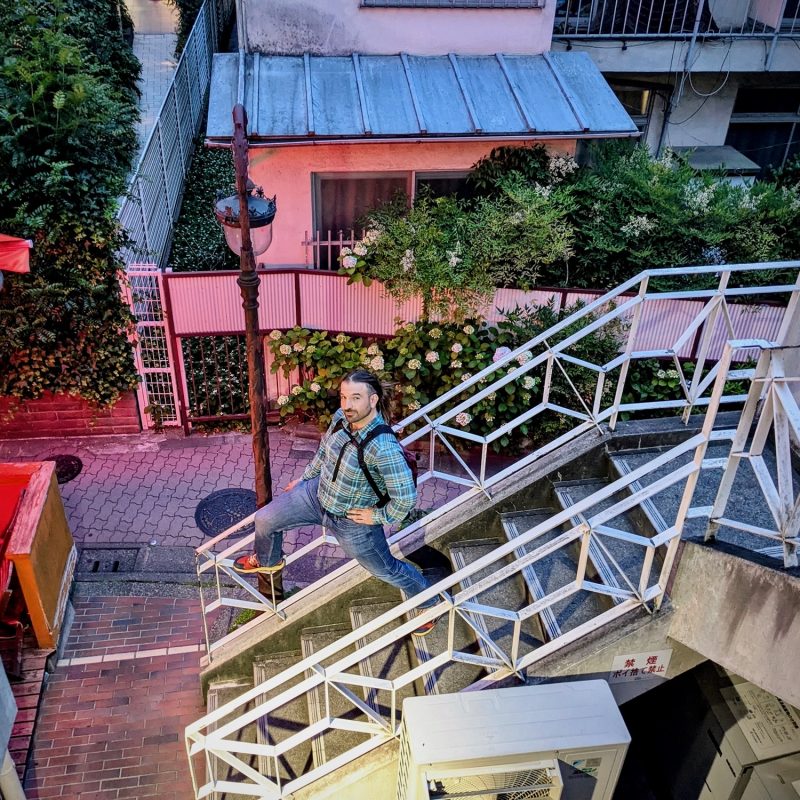
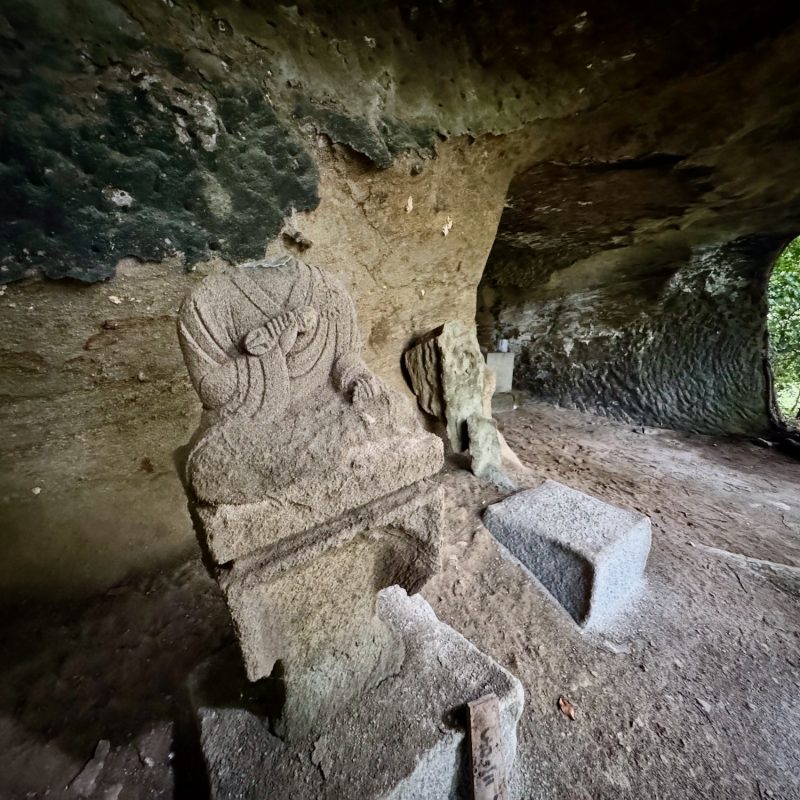
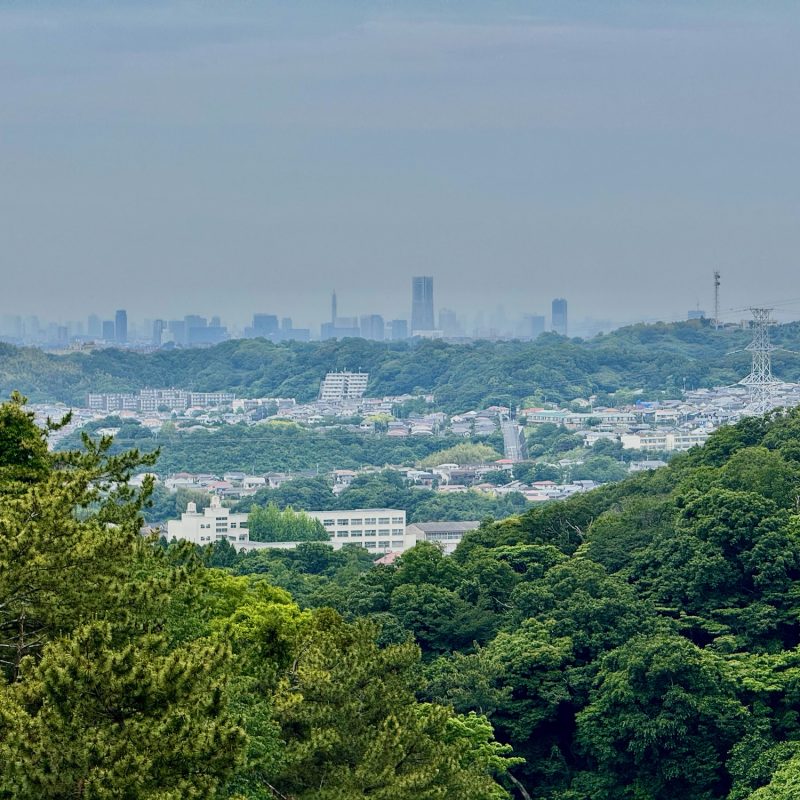
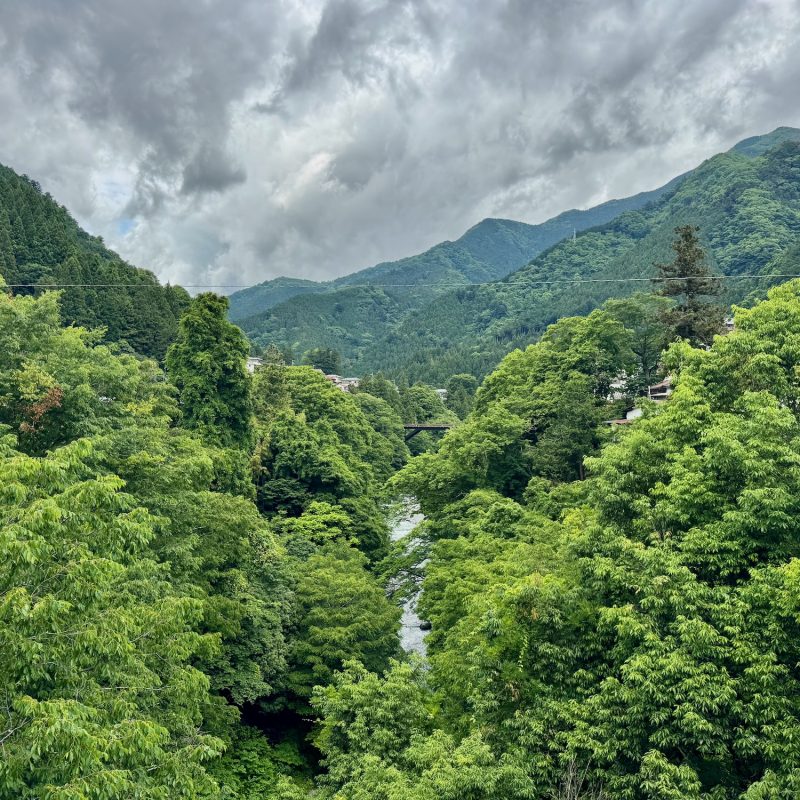
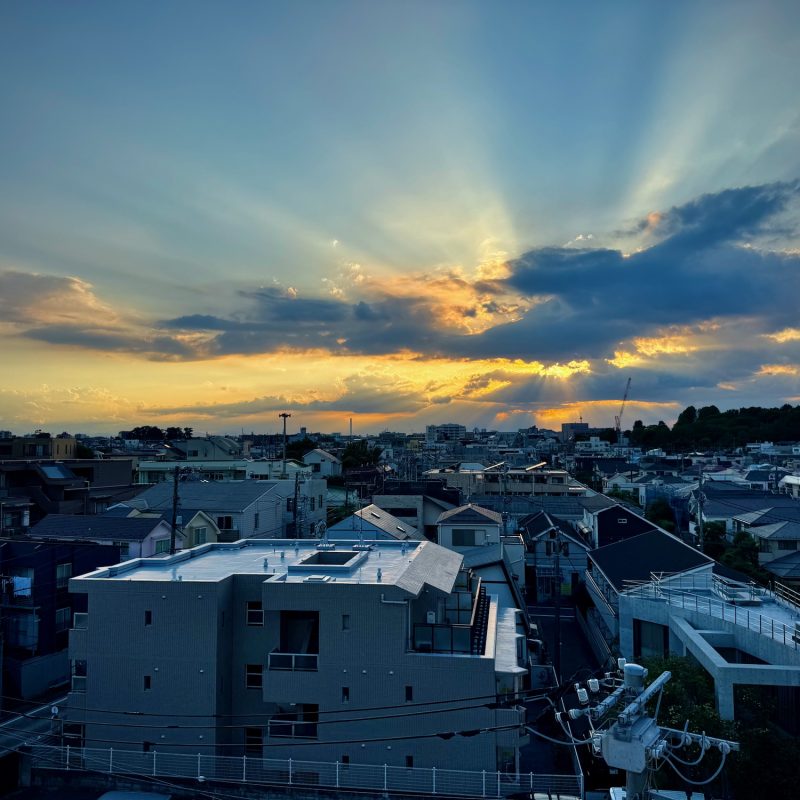
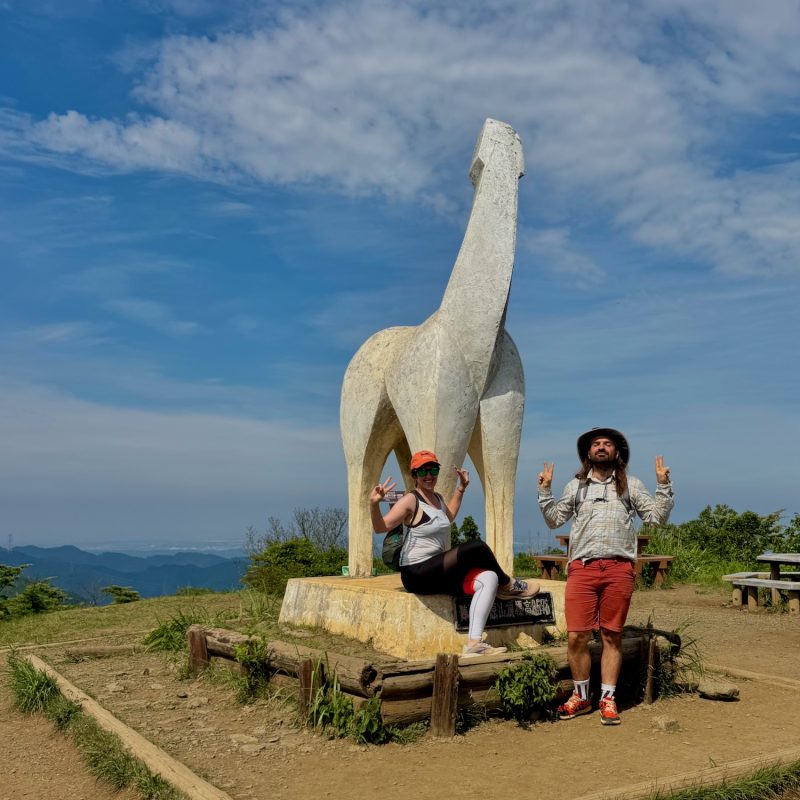
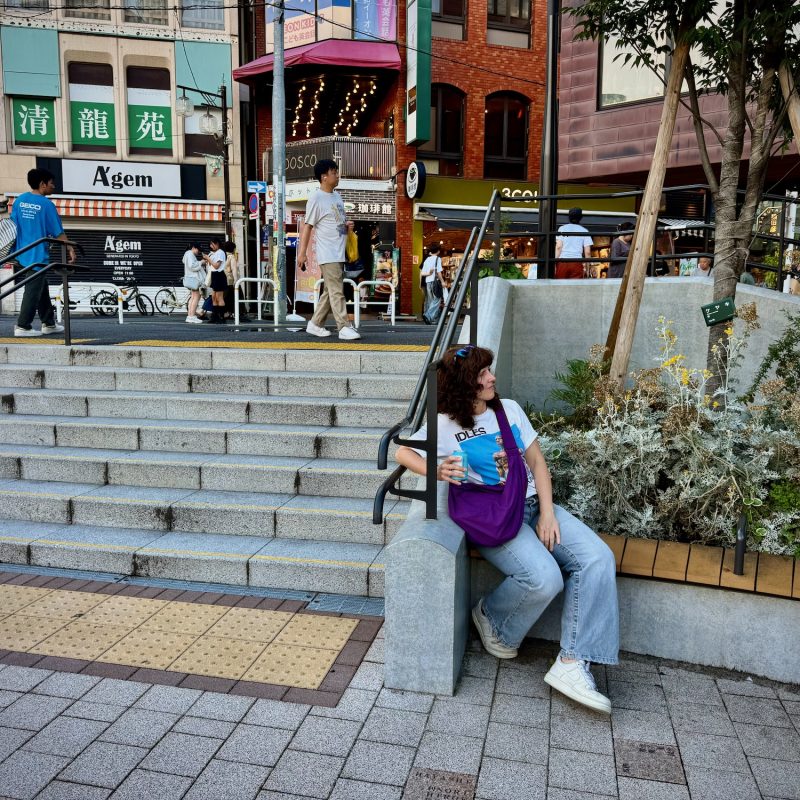
I had a swell reunion with Claire, where she cooked for my exhausted self that night, and even had a bath ready for me. Oh the joys of coming home to a loving partner! We shared in the victory together, having now both completed rides across Japan in our own ways. Her’s completed meticulously in sections over years, and mine in one fell swoop. I got back in the swing of enjoying a few easy weeks in the warming weather before my visitor visa would expire in mid-June. I spend enough time in Tokyo now that the day to day isn’t so remarkable anymore, but I cherish most days simply existing there. I still had some good trips like hikes in nearby Okutama and Kamakura. After so long on a bicycle, I was happy to stick to walks and trains the rest of my time, but this trip really revved up my imagination for future trips. Overall, it was a journey to remember and savor for a long time hence.